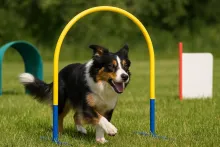
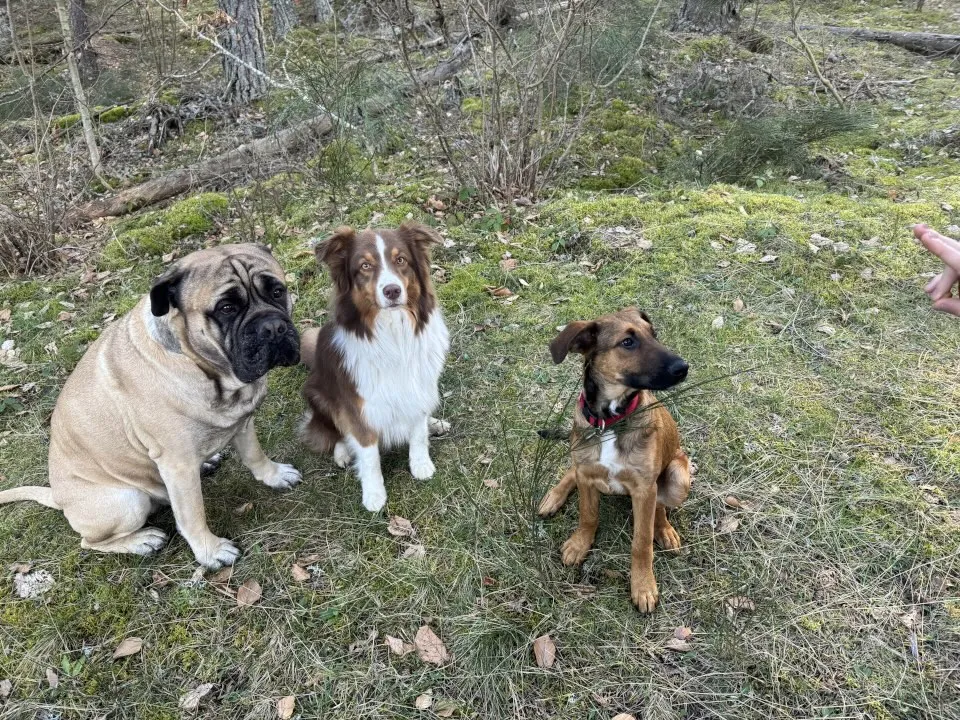
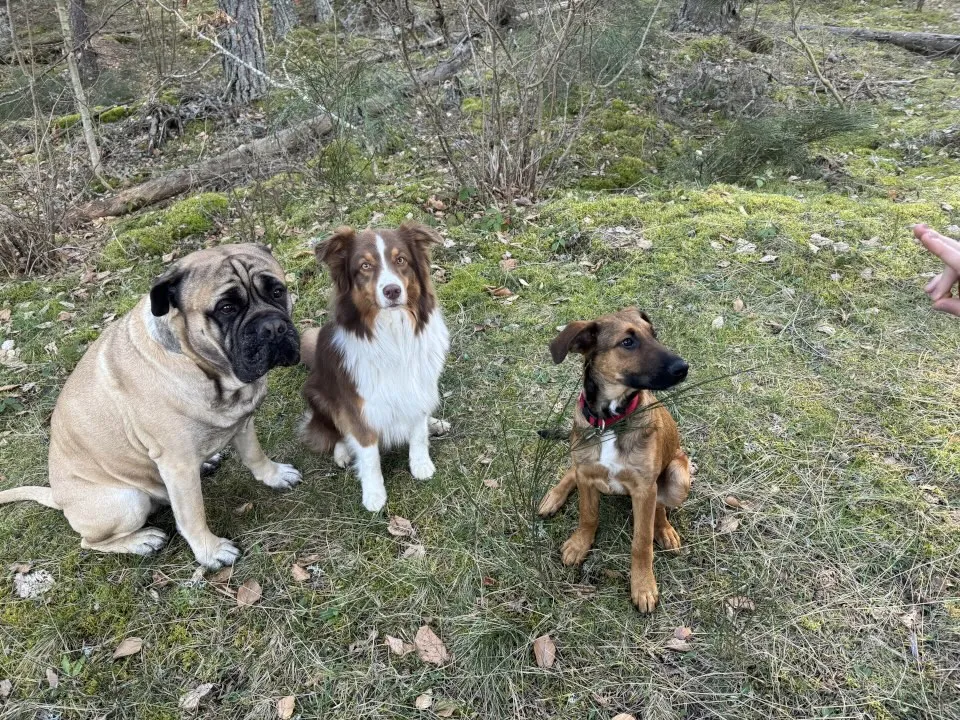
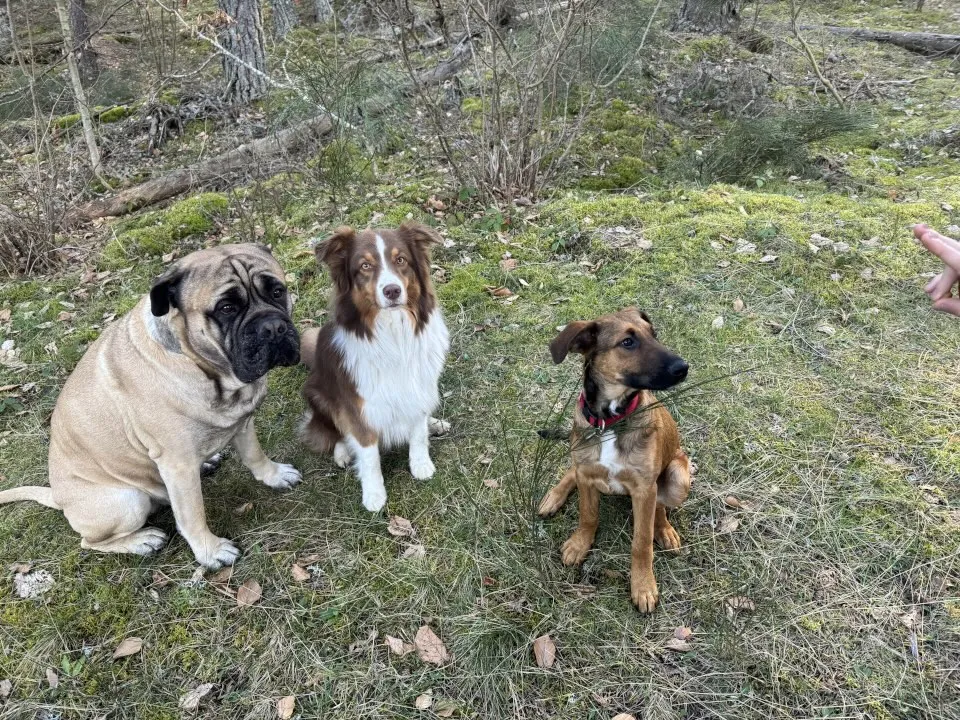
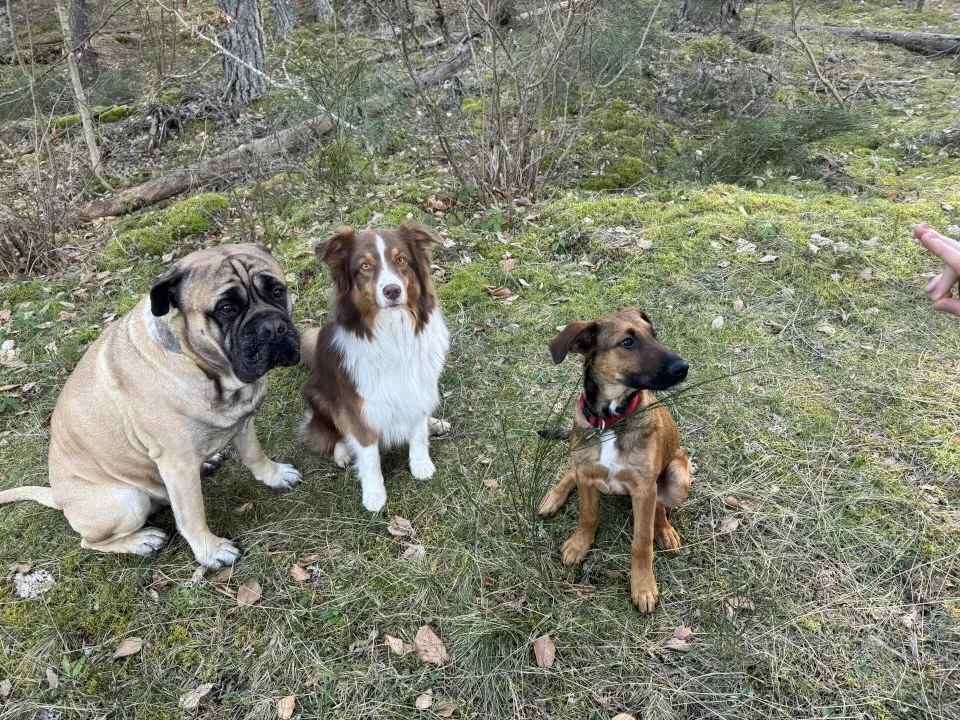
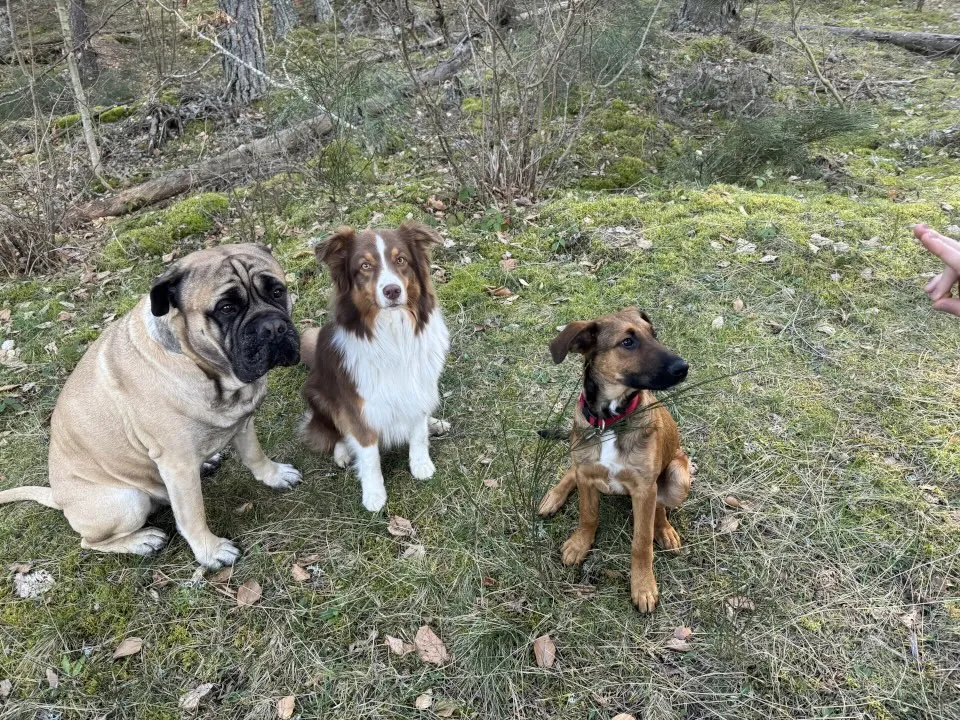
Playful and sporting activities are not an “extra” in canine education: they are its natural continuation. They combine learning, socialization, and enjoyment, while respecting each dog’s individual personality. Whether it’s a young puppy, an adult dog, or a senior, play and movement remain the most effective learning tools.
Behavioral disorders can have two distinct origins: Medical in origin — linked to a pathology, an injury, or the development of a disease. In this case, only a visit to a veterinarian—or even better, to a veterinary behaviorist—can establish an accurate diagnosis and prescribe an appropriate treatment. Behavioral in origin — linked to the expression of anxiety, a lack of structure or reference points, or poor communication within the dog’s immediate environment. In this situation, the issue falls within the scope of education and the human–dog relationship. A visit from a canine behaviorist and trainer will help analyze the underlying causes and propose practical, tailored solutions. Ideally, this assessment should take place in the very context where the behavior occurs, or at least within the dog’s usual living environment, in order to fully understand all contributing factors.
A gentle and playful activity: strengthen your dog’s bond with you, focus, and autonomy. An activity suitable for all dogs, including those with mobility challenges, senior dogs, and puppies (from 6 months old).
By Pascal , 24 December 2025
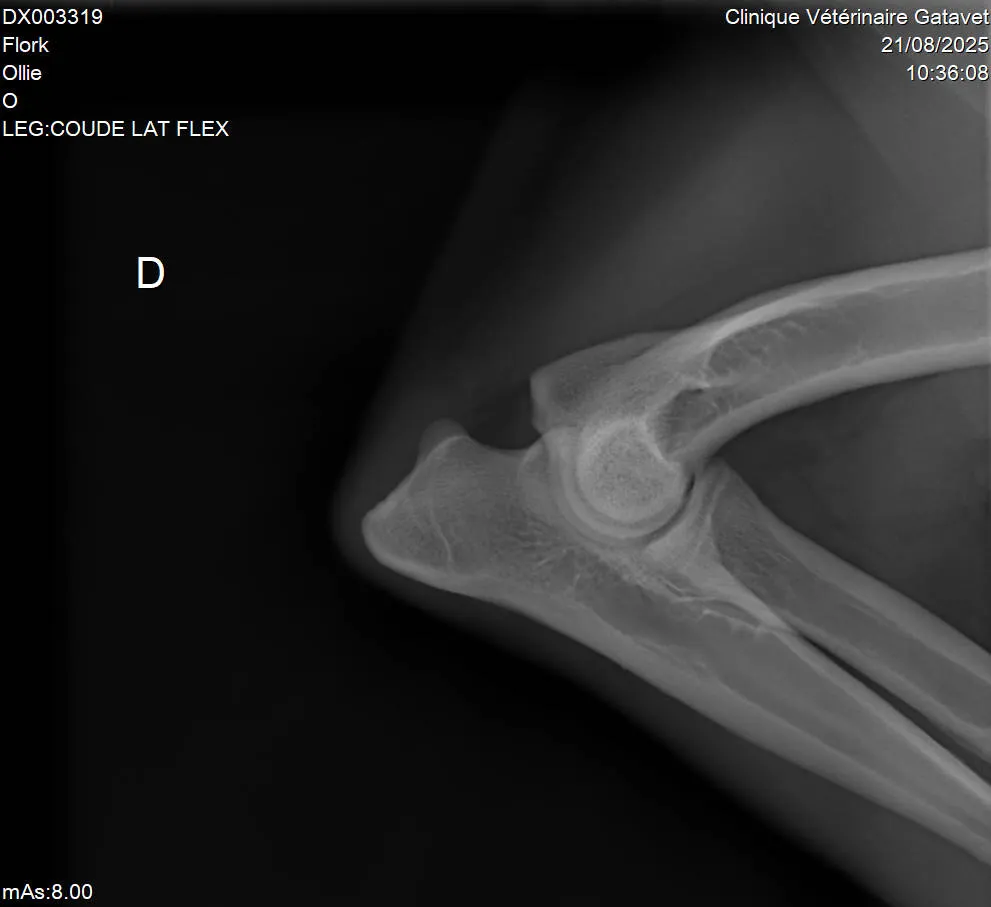
The onset of osteoarthritis in dogs often occurs with age, but sometimes much earlier. It is quite common and can affect young dogs as well, particularly following a trauma, a malformation, or intense physical activity. It is important to learn how to recognize the signs, have the condition diagnosed by a veterinarian, and then adapt the dog’s lifestyle accordingly: diet, living environment, and physical exercise. Learning to detect it early, obtaining a proper veterinary diagnosis, and adjusting nutrition, surroundings, and activity levels are key to preserving the dog’s comfort and quality of life.

By Pascal , 24 December 2025
Hot spots, also known as pyotraumatic dermatitis, are acute skin inflammations commonly seen in dogs. They often appear suddenly as red, oozing, and painful patches that can spread rapidly if not treated promptly. Although they may look alarming, when properly managed, hot spots heal quickly and without lasting effects.
By Pascal , 24 December 2025
Kibble, wet food, or homemade diet (“home-prepared ration”)? And if you choose kibble, which ones should you pick? With an extremely wide range of products and prices, it can be difficult to know how to choose. How can you really find your way, and what are the signs of a balanced diet? Here are a few guidelines.
By Pascal , 24 December 2025
How can you tell if your dog is overweight—or, on the contrary, lacking body reserves? Some dogs are very food-motivated and will quickly let you know if you forget a meal. Others are less interested in food and may easily skip feeding time. Monitoring a dog’s weight can therefore feel like a real challenge, even though it is essential for their energy levels and overall health, particularly for their joints. Here are a few key indicators and practical tips to help you keep track of your dog’s weight and maintain a healthy balance.
By Pascal , 24 December 2025
Your dog may shed hair everywhere, especially during seasonal moulting periods (autumn and spring), but it is always very rewarding when someone comments on how beautiful, shiny, or healthy your dog’s coat looks. Beyond the purely aesthetic aspect that attracts compliments, a dog’s coat is also a reliable indicator of its overall health.
By Pascal , 24 December 2025
Dog training is far from being an easy task. Without the right tools and guidance, it is easy to feel overwhelmed. How can we help a dog understand that certain behaviors are inappropriate—or even forbidden? For many years now, electric shock collars have emerged as a supposed solution. Based on the same principle as electric fences used to contain cattle or sheep, some argue: why couldn’t this also work for dogs? However, the dog—being much closer to humans and endowed with strong communication abilities—does not function in the same way as other animal species. Its learning mechanisms, emotional sensitivity, and relationship to humans are fundamentally different. Here, I will present simple, common-sense arguments showing why the use of this type of tool is not a good idea at all, neither for effective education nor for the well-being of the dog.