A term that is often used, but a method that may not be explained clearly enough to fully understand its value. So here are a few elements to help clarify it.
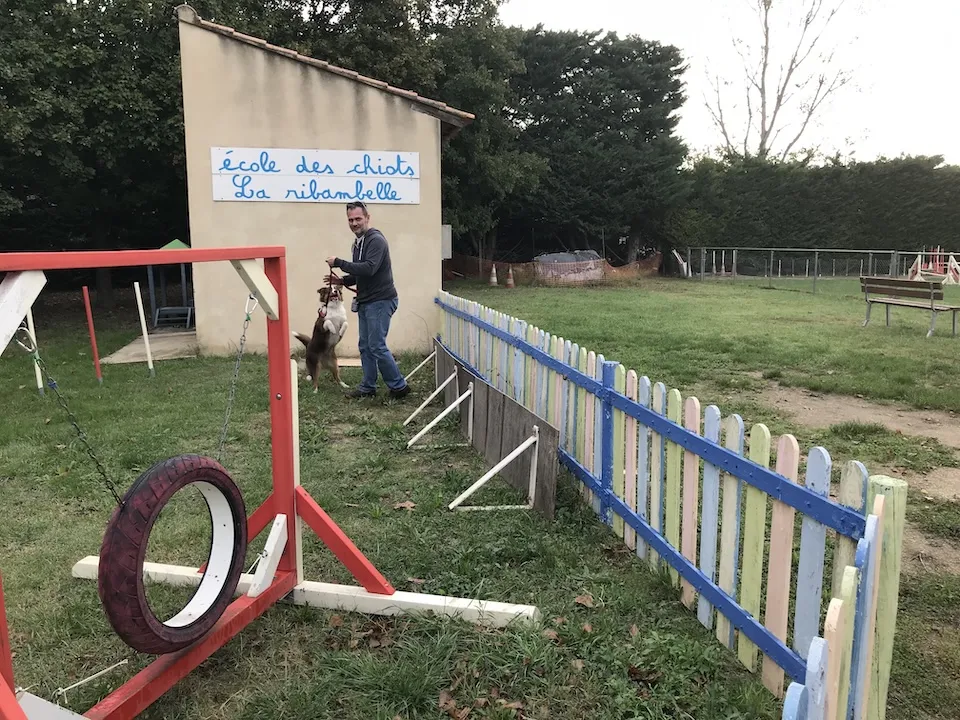
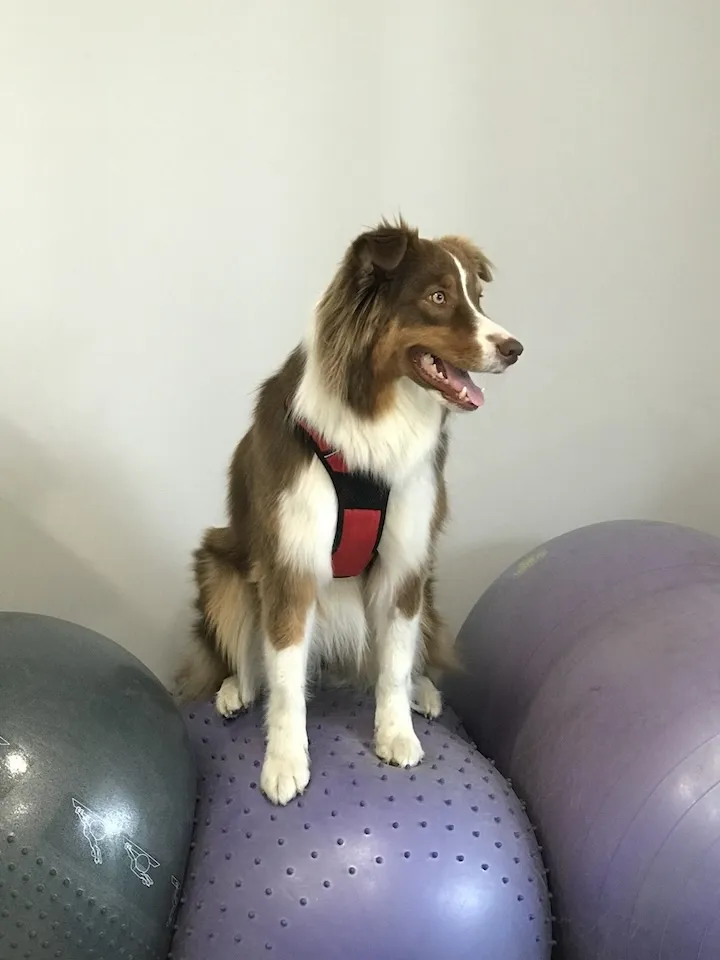
Playful and sporting activities are not an “extra” in canine education: they are its natural continuation. They combine learning, socialization, and enjoyment, while respecting each dog’s individual personality. Whether it’s a young puppy, an adult dog, or a senior, play and movement remain the most effective learning tools.
Behavioral disorders can have two distinct origins: Medical in origin — linked to a pathology, an injury, or the development of a disease. In this case, only a visit to a veterinarian—or even better, to a veterinary behaviorist—can establish an accurate diagnosis and prescribe an appropriate treatment. Behavioral in origin — linked to the expression of anxiety, a lack of structure or reference points, or poor communication within the dog’s immediate environment. In this situation, the issue falls within the scope of education and the human–dog relationship. A visit from a canine behaviorist and trainer will help analyze the underlying causes and propose practical, tailored solutions. Ideally, this assessment should take place in the very context where the behavior occurs, or at least within the dog’s usual living environment, in order to fully understand all contributing factors.
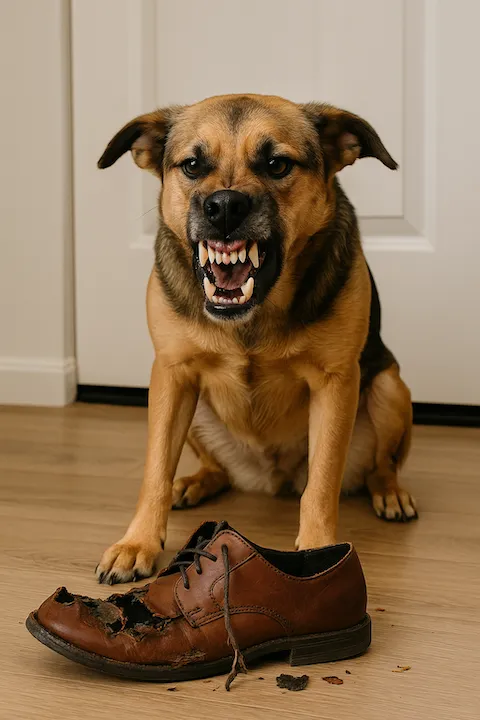
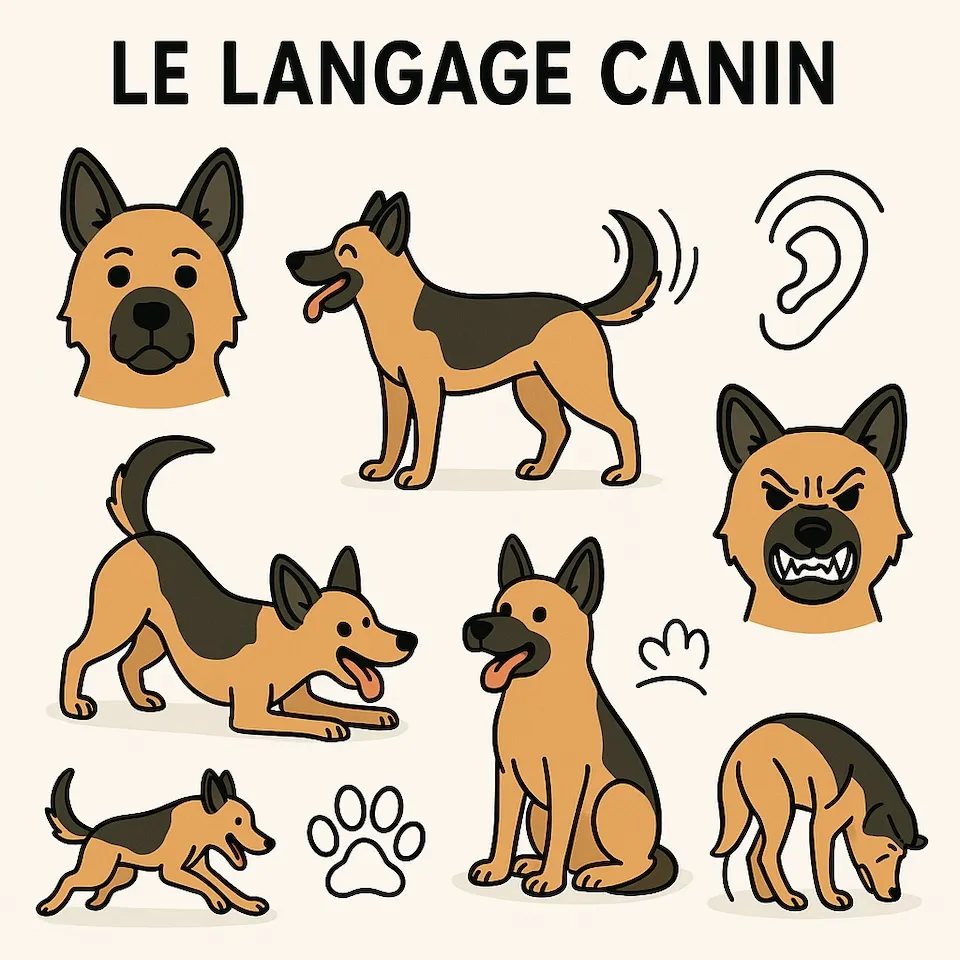
My approach to behavior work and training is based on canine body language. It is, in fact, one of the key elements I aim to pass on during my training sessions. “Learn to read your dog!” my mentor Nicole used to tell us during adult dog training classes. At the time, I understood her message—but with hindsight, I did not fully realize just how right she was. Understanding canine body language is one of the major keys to living well with your dog, building a balanced relationship, and preventing misunderstandings before they turn into problems.
🌿 Natural Dog Education – In Brief Natural dog education is based on respecting the dog’s needs, emotions, and natural way of communicating. It prioritizes understanding behavior before acting, relying on observation and canine body language. This approach avoids coercive methods and instead builds a relationship founded on trust, consistency, and reinforcement of desirable behaviors. Since every dog is unique, natural education adapts to the dog’s age, background, and temperament. By using the environment, play, and everyday situations as learning tools, natural education helps dogs become calmer, more autonomous, and emotionally balanced, while strengthening the bond with their human.