By Pascal , 4 September 2026

Heatstroke in dogs: how to prevent it, recognise the signs, and act quickly

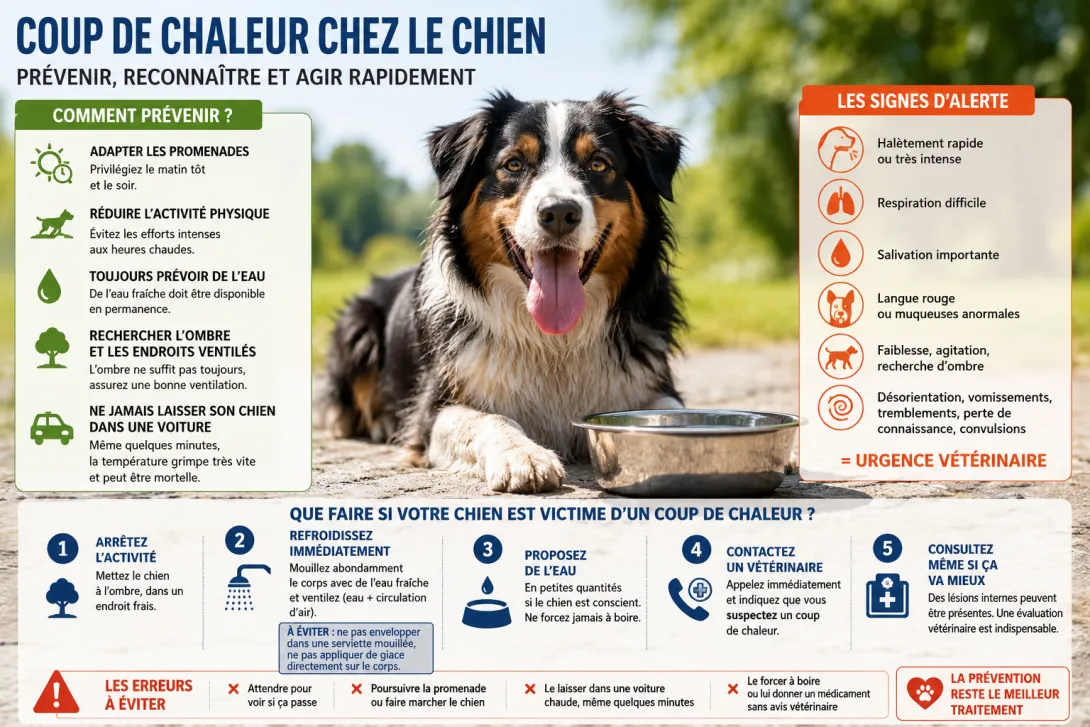
During periods of hot weather, dogs are particularly vulnerable. Unlike humans, dogs sweat very little and regulate their body temperature mainly through panting. When this mechanism is no longer sufficient, their body temperature can rise rapidly and cause heatstroke.

Heatstroke is a genuine veterinary emergency. It can cause severe damage to several organs and, in the most serious cases, can be fatal.

```
By Pascal , 4 September 2026
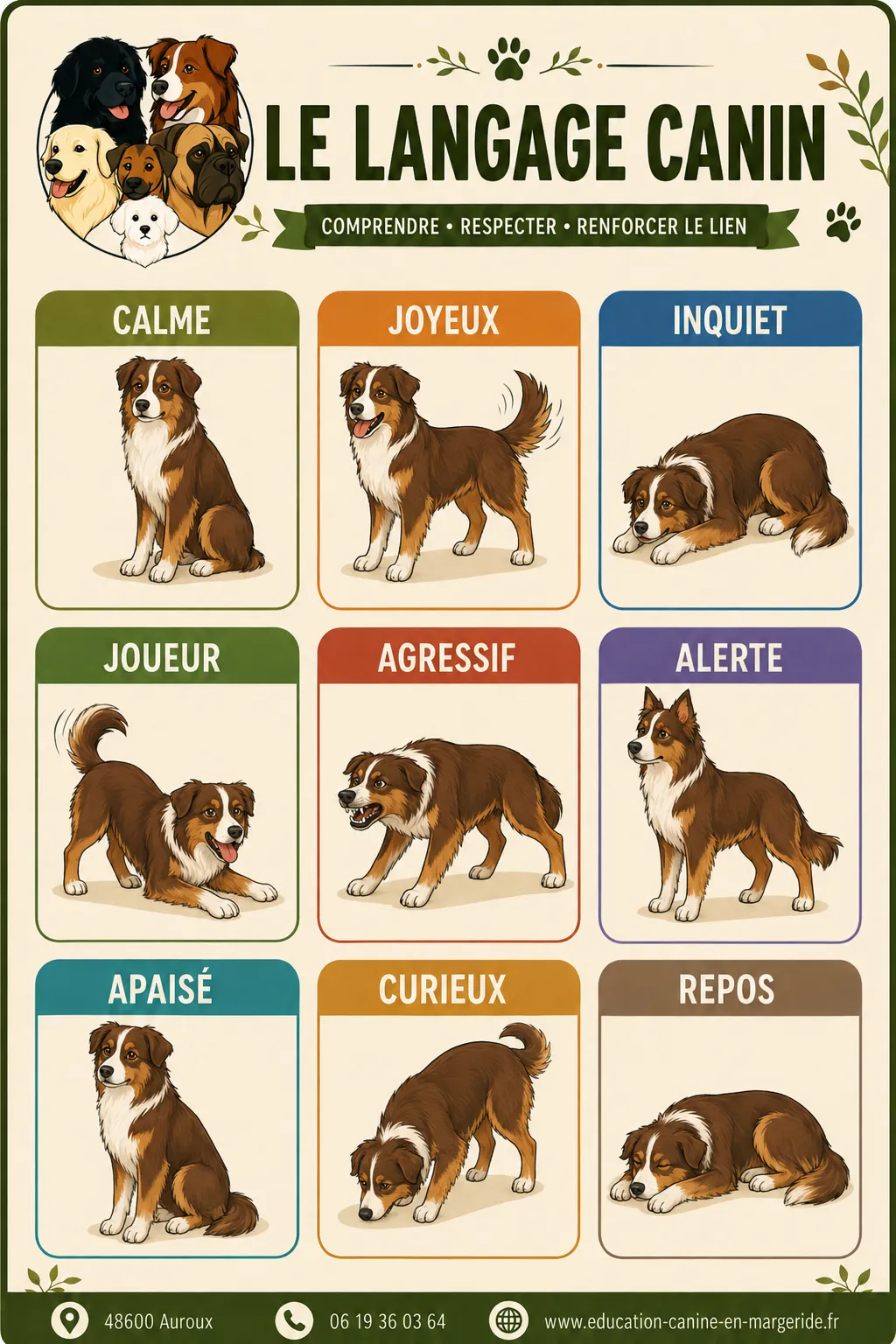
A dog that barks, pulls, jumps, or stops listening to you is not necessarily being disobedient: they may simply be **overwhelmed by their emotions**. 🟢 As long as they can observe, eat, look at you, and disengage from what is happening, they are still mentally available. 🔴 If they stare, bark, pull, flee, or seem unable to hear you anymore, they are probably **over their emotional threshold**. In that case, the most useful response is often to **increase the distance, reduce the difficulty, and give them time to settle again**. 🧠 Self-control is learned gradually: waiting, disengaging, turning away, and returning to their human despite a distraction. 👉 The goal is not to suppress emotions, but to help the dog **manage them more effectively**.
By Pascal , 4 September 2026
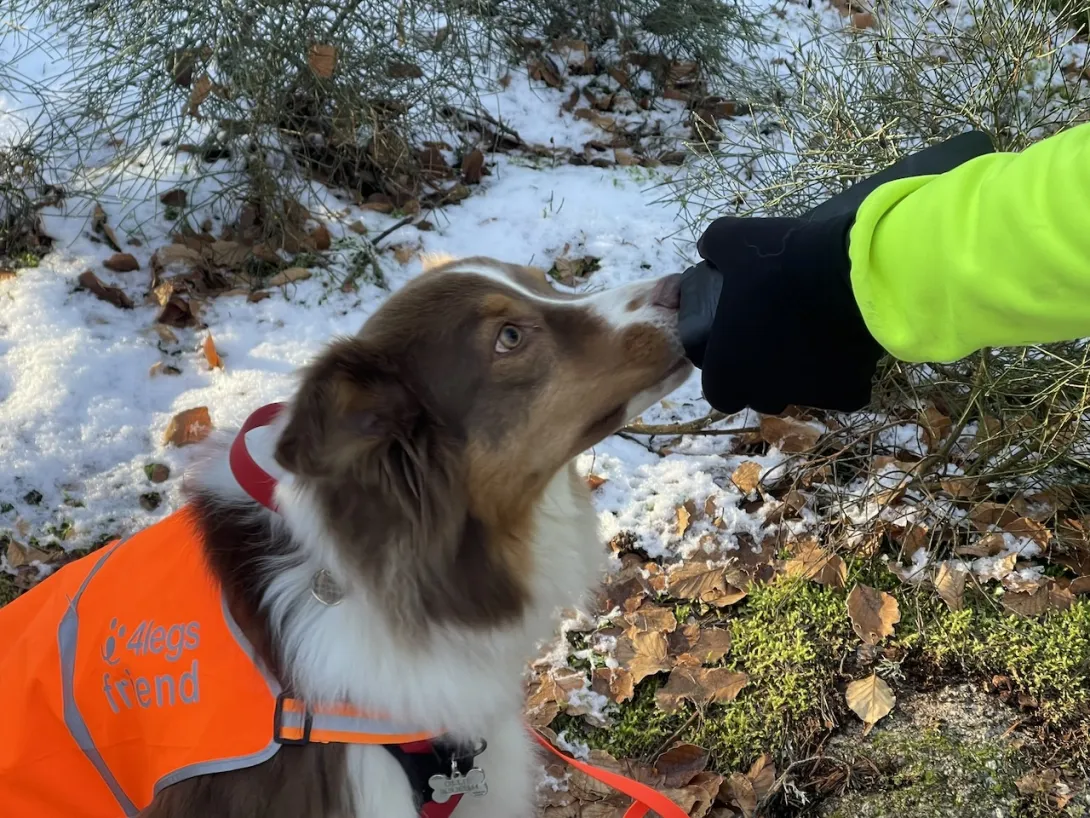
🐶 **Practical Tip – What if your dog used their nose more?** We often think that dogs mainly need physical exercise. But **mental stimulation** is just as important. 👃 And for that, one of their best tools is their sense of smell! From simply **sniffing freely during walks**, to searching for treats, tracking, mantrailing, or scent detection, dogs have to: 👉 search 👉 concentrate 👉 think 👉 make decisions 👉 persist 🧠 This kind of work is also very useful for developing **self-control**: instead of reacting immediately to everything around them, dogs gradually learn to slow down, stay focused, and manage their impulses more effectively. 🐕‍🦺 This is also why I regularly use **scent work as a tool in the rehabilitation of reactive dogs**. At the right distance and while the dog remains below their emotional threshold, it can help them disengage from a trigger, regain focus, and learn to make different choices. And it can all start very simply: 🌿 **On your next walk, perhaps walk a little less… and let your dog sniff a little more!**
By Pascal , 4 September 2026
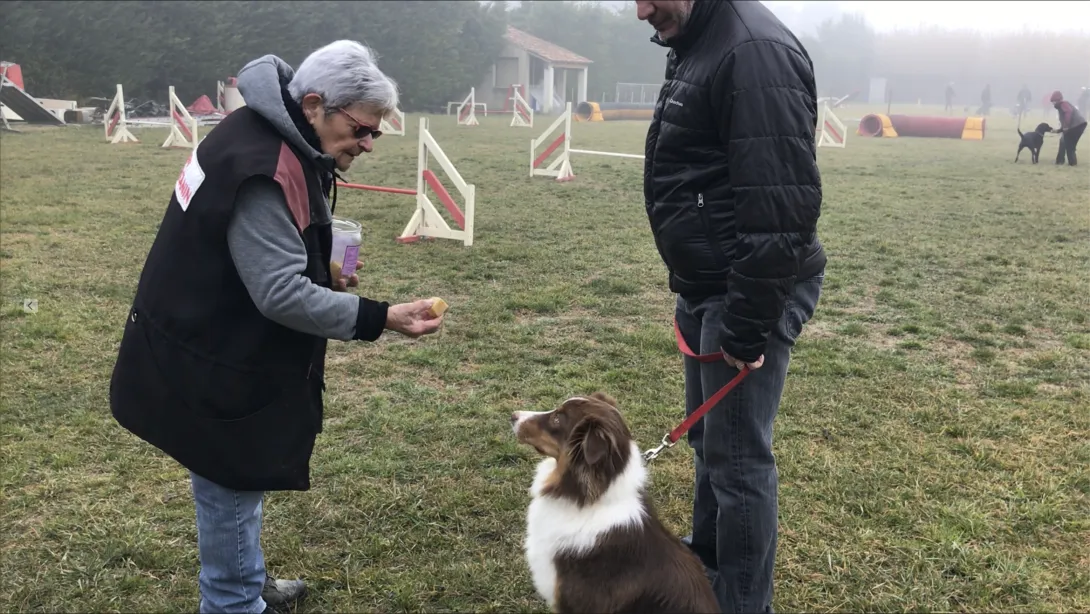
1️⃣ Discovery, in a calm environment such as the training field at margeridecanin.fr. 2️⃣ Confirmation, with a gradual variation of stimuli. 3️⃣ Consolidation, through many repetitions in different places and situations. This final yet essential stage is often overlooked: when the dog begins to succeed, we may assume that the goal has been achieved and stop training too soon. Emotional regulation—including self-control—also develops throughout this process. As every dog is different, a thorough assessment and personalised support for the human–dog team remain essential.
By Pascal , 4 August 2026

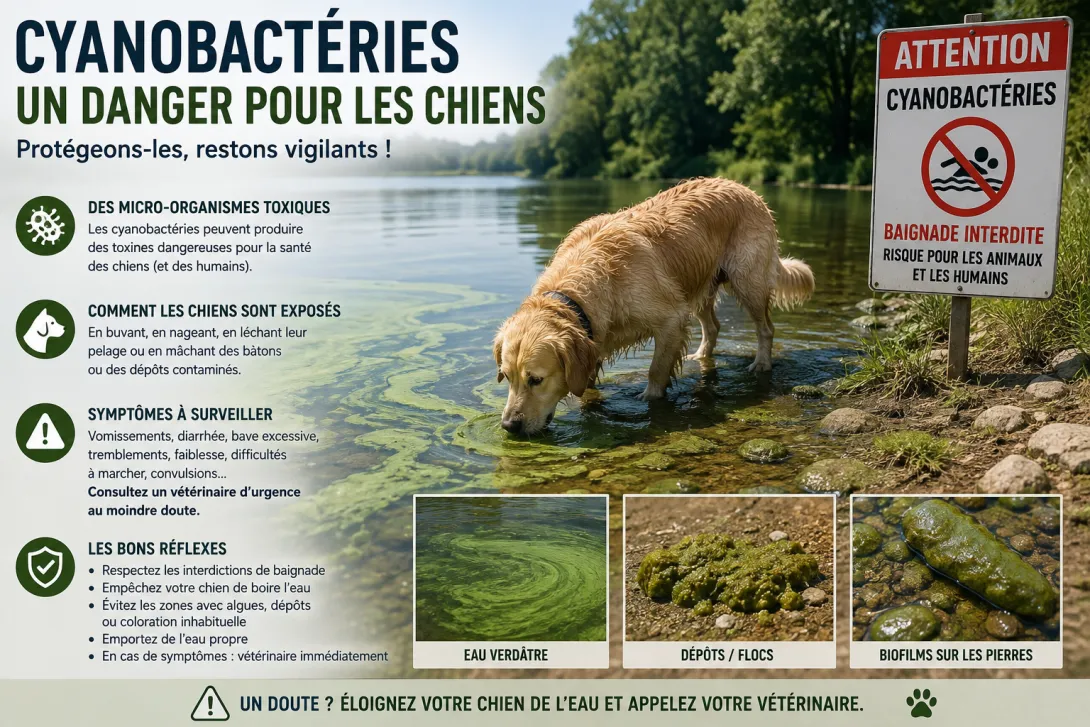
As warmer weather arrives, walks along lakes, ponds and rivers become particularly enjoyable. Many dogs take advantage of these outings to swim, drink or play with sticks found in the water.

However, some freshwater environments may contain cyanobacteria capable of producing extremely dangerous toxins. Every year in France, these microorganisms are associated with severe poisoning and deaths among dogs.

By Pascal , 24 December 2025
Your dog may shed hair everywhere, especially during seasonal moulting periods (autumn and spring), but it is always very rewarding when someone comments on how beautiful, shiny, or healthy your dog’s coat looks. Beyond the purely aesthetic aspect that attracts compliments, a dog’s coat is also a reliable indicator of its overall health.
By Pascal , 24 December 2025
How can you tell if your dog is overweight—or, on the contrary, lacking body reserves? Some dogs are very food-motivated and will quickly let you know if you forget a meal. Others are less interested in food and may easily skip feeding time. Monitoring a dog’s weight can therefore feel like a real challenge, even though it is essential for their energy levels and overall health, particularly for their joints. Here are a few key indicators and practical tips to help you keep track of your dog’s weight and maintain a healthy balance.
By Pascal , 24 December 2025
Kibble, wet food, or homemade diet (“home-prepared ration”)? And if you choose kibble, which ones should you pick? With an extremely wide range of products and prices, it can be difficult to know how to choose. How can you really find your way, and what are the signs of a balanced diet? Here are a few guidelines.
By Pascal , 24 December 2025
The leash is an essential link between the dog and their owner. There are many types, each suited to different uses: walks, sports activities, training, or safety in the car.
By Pascal , 24 December 2025
Leash walking is an essential skill, but often a delicate one. The goal is not to force the dog to follow, but to create a smooth, relaxed, and respectful walk.
By Pascal , 24 December 2025
Dog training is far from being an easy task. Without the right tools and guidance, it is easy to feel overwhelmed. How can we help a dog understand that certain behaviors are inappropriate—or even forbidden? For many years now, electric shock collars have emerged as a supposed solution. Based on the same principle as electric fences used to contain cattle or sheep, some argue: why couldn’t this also work for dogs? However, the dog—being much closer to humans and endowed with strong communication abilities—does not function in the same way as other animal species. Its learning mechanisms, emotional sensitivity, and relationship to humans are fundamentally different. Here, I will present simple, common-sense arguments showing why the use of this type of tool is not a good idea at all, neither for effective education nor for the well-being of the dog.
By Pascal , 24 December 2025
Hot spots, also known as pyotraumatic dermatitis, are acute skin inflammations commonly seen in dogs. They often appear suddenly as red, oozing, and painful patches that can spread rapidly if not treated promptly. Although they may look alarming, when properly managed, hot spots heal quickly and without lasting effects.
By Pascal , 24 December 2025
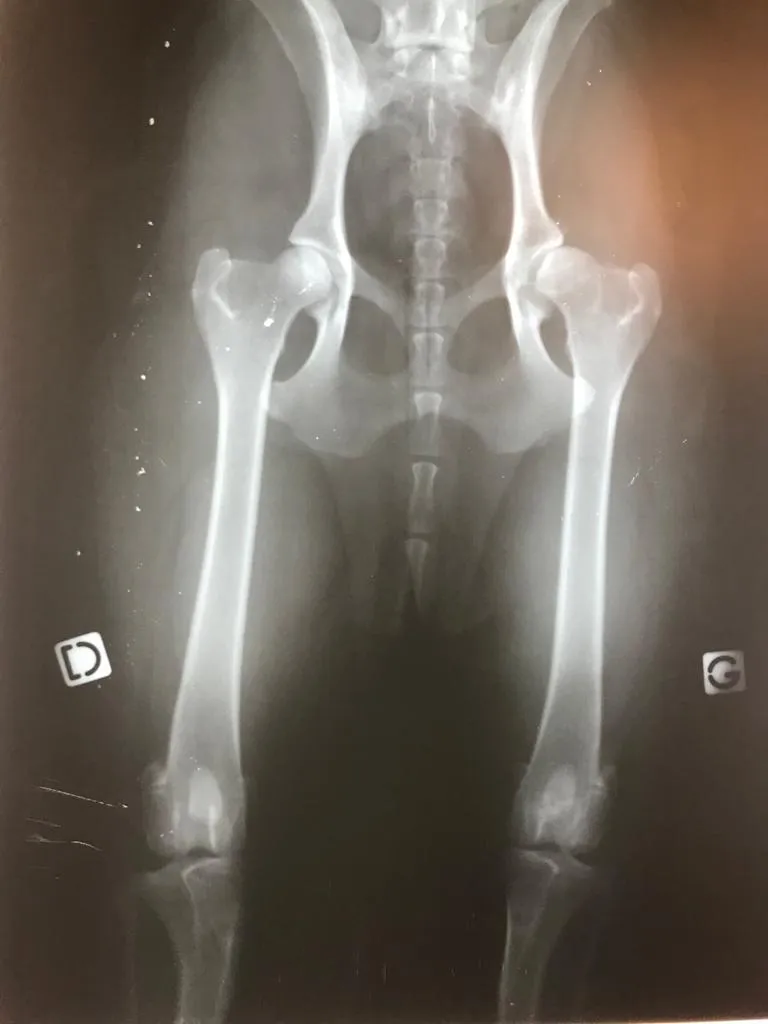
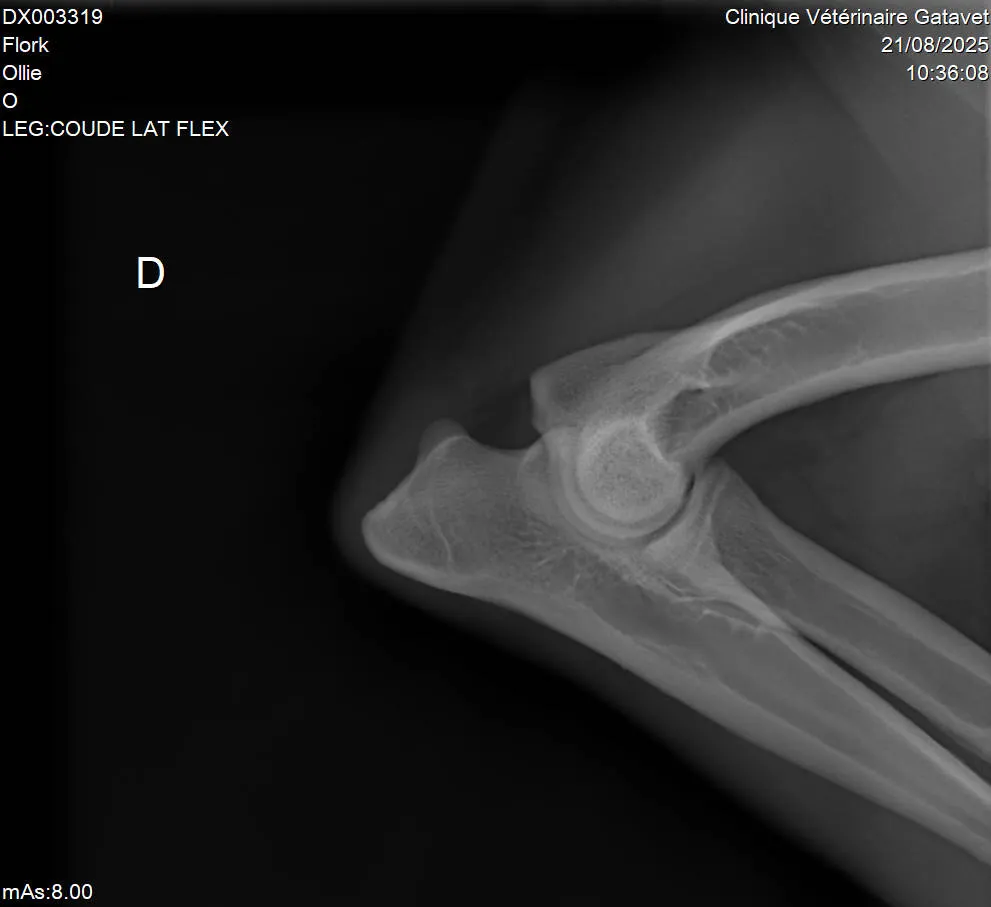
The onset of osteoarthritis in dogs often occurs with age, but sometimes much earlier. It is quite common and can affect young dogs as well, particularly following a trauma, a malformation, or intense physical activity. It is important to learn how to recognize the signs, have the condition diagnosed by a veterinarian, and then adapt the dog’s lifestyle accordingly: diet, living environment, and physical exercise. Learning to detect it early, obtaining a proper veterinary diagnosis, and adjusting nutrition, surroundings, and activity levels are key to preserving the dog’s comfort and quality of life.
By Pascal , 24 December 2025
Engaging in physical and/or mental activities with your dog is always a good idea! Your companion needs them for overall balance at any age. However, activities must be adapted to the dog’s age and physical condition.
By Pascal , 24 December 2025
When welcoming a new companion into your home, it is essential to acquire a collar and/or a harness in order to keep your dog on a leash and begin their learning and training process.
By Pascal , 24 December 2025
Whether it’s windy, raining, snowing, or under bright sunshine, regular walks are essential to a dog’s balance and well-being—ideally in a natural environment. This is also why education is indispensable, particularly to ensure a reliable recall. Walks must always take place under proper safety conditions. In our beautiful region, which offers such rich landscapes and abundant nature, it would be a real shame not to take advantage of it. Here are a few tips.
By Pascal , 24 December 2025
Our dogs need to expend not only physical energy, but mental energy as well. Puzzle and brain games are an excellent way to stimulate cognitive abilities while strengthening the bond between dog and owner. They encourage dogs to think, search, understand, and succeed — in short, to have fun in a smart and enriching way.
By Pascal , 23 December 2025
All dogs need physical activity. Walking, running, exploring, playing—these moments are essential to their physical and mental balance. However, the pace, duration, and intensity of outings must be adapted to each dog, according to their age, breed, morphology, health status, and overall physical condition. A walk that is too long, unsuitable terrain, or poorly managed exertion can quickly turn a moment of pleasure into a source of discomfort—or even injury. The goal is simple: stay active, yes, but intelligently, for your companion’s well-being and long-term health.