🐶 The Dog’s Coat: A Health Indicator and Essential Care
Your dog may shed hair everywhere—especially during seasonal moults—but how rewarding it is to hear someone say: “What a beautiful coat!”
Beyond appearance, a dog’s coat is a key indicator of health. Its look, texture, and even smell often reveal the animal’s overall condition.
🐕🦺 The Role of the Coat
Short, long, double, or water-adapted coats—all types protect against cold, heat, rain, and external aggressions. The coat renews itself continuously, with peak shedding in spring and autumn.
🧭 What the Coat Reveals
- Soft, shiny coat → balanced, well-adapted nutrition.
- Dull, dry coat → inadequate diet or digestive issues.
- Excessive shedding → possible allergy, parasites, or hormonal imbalance.
- Strong odor, greasy coat → dermatological or hormonal disorder.
🩺 Odin’s Example
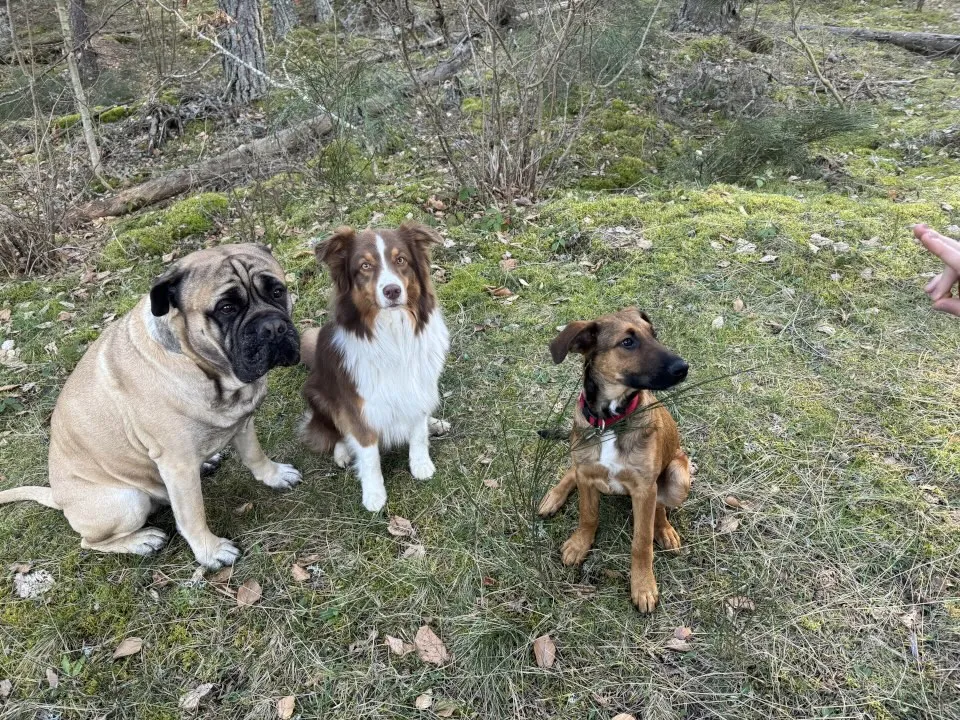
Our dog Odin suffers from atopic dermatitis, which caused a greasy, strong-smelling coat. Thanks to the follow-up by the Gatavet veterinary clinic (Langogne) and a tailored diet, his coat and overall health have greatly improved: everything is connected!
🧴 Coat Care
- Regular brushing (weekly or daily depending on coat type)
- Dog-specific shampoo
- Thorough drying after bathing
- Diet rich in omega-3 and omega-6
- Veterinary consultation if problems persist
🩺 When in Doubt
A dog’s coat reflects its internal health. In cases of abnormal hair loss, odor, or itching, consult your veterinarian and note your observations to aid diagnosis.