By Pascal , 4 September 2026

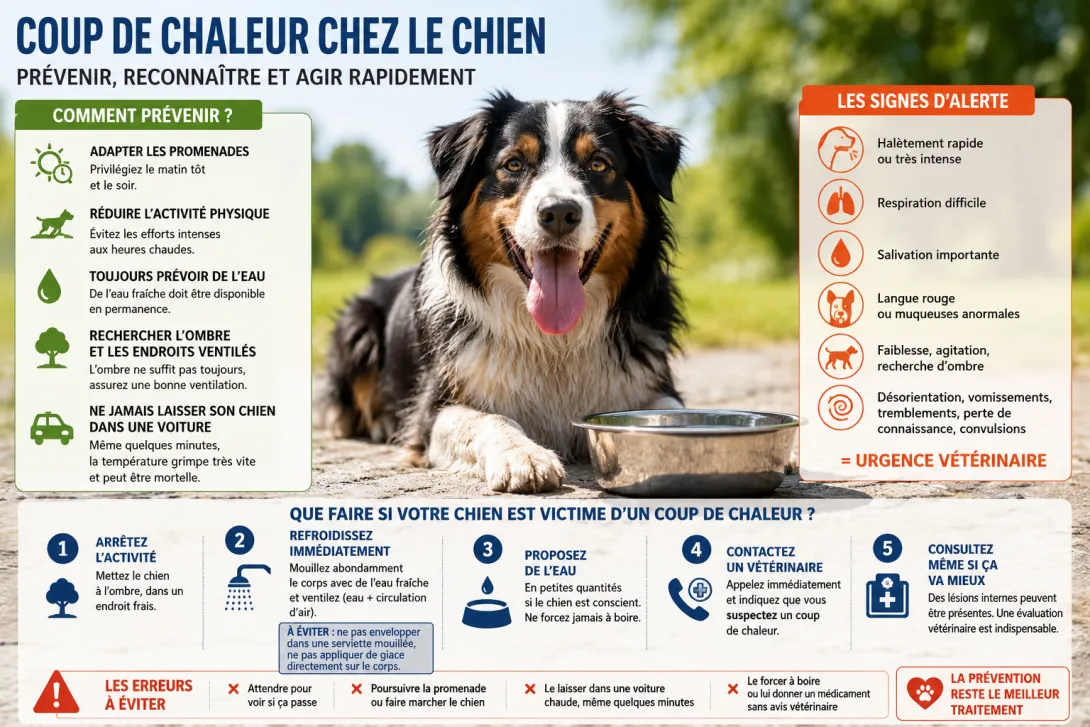
Heatstroke in dogs: how to prevent it, recognise the signs, and act quickly

During periods of hot weather, dogs are particularly vulnerable. Unlike humans, dogs sweat very little and regulate their body temperature mainly through panting. When this mechanism is no longer sufficient, their body temperature can rise rapidly and cause heatstroke.

Heatstroke is a genuine veterinary emergency. It can cause severe damage to several organs and, in the most serious cases, can be fatal.

```
By Pascal , 4 September 2026
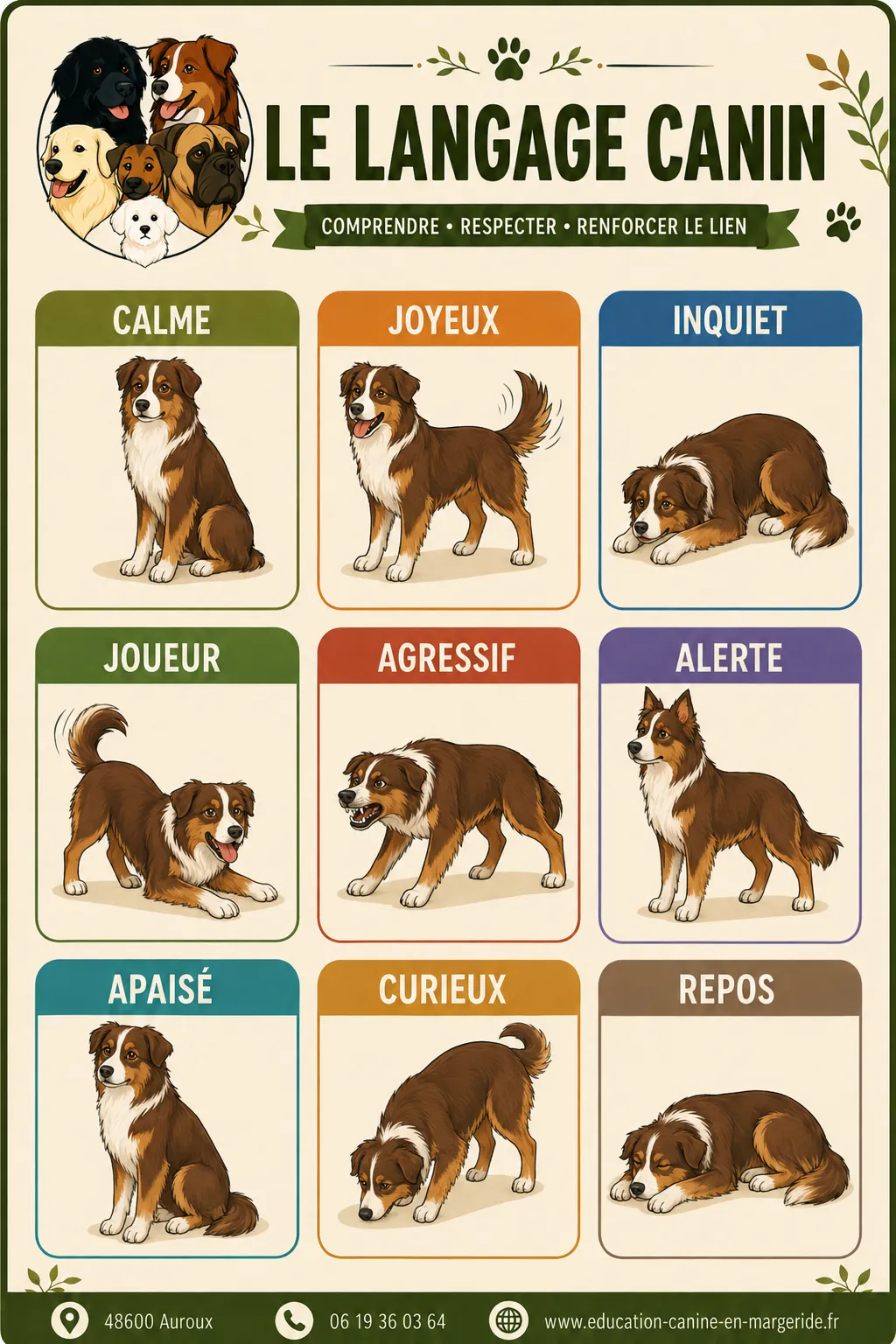
A dog that barks, pulls, jumps, or stops listening to you is not necessarily being disobedient: they may simply be **overwhelmed by their emotions**. 🟱 As long as they can observe, eat, look at you, and disengage from what is happening, they are still mentally available. 🔮 If they stare, bark, pull, flee, or seem unable to hear you anymore, they are probably **over their emotional threshold**. In that case, the most useful response is often to **increase the distance, reduce the difficulty, and give them time to settle again**. 🧠 Self-control is learned gradually: waiting, disengaging, turning away, and returning to their human despite a distraction. 👉 The goal is not to suppress emotions, but to help the dog **manage them more effectively**.
By Pascal , 4 September 2026
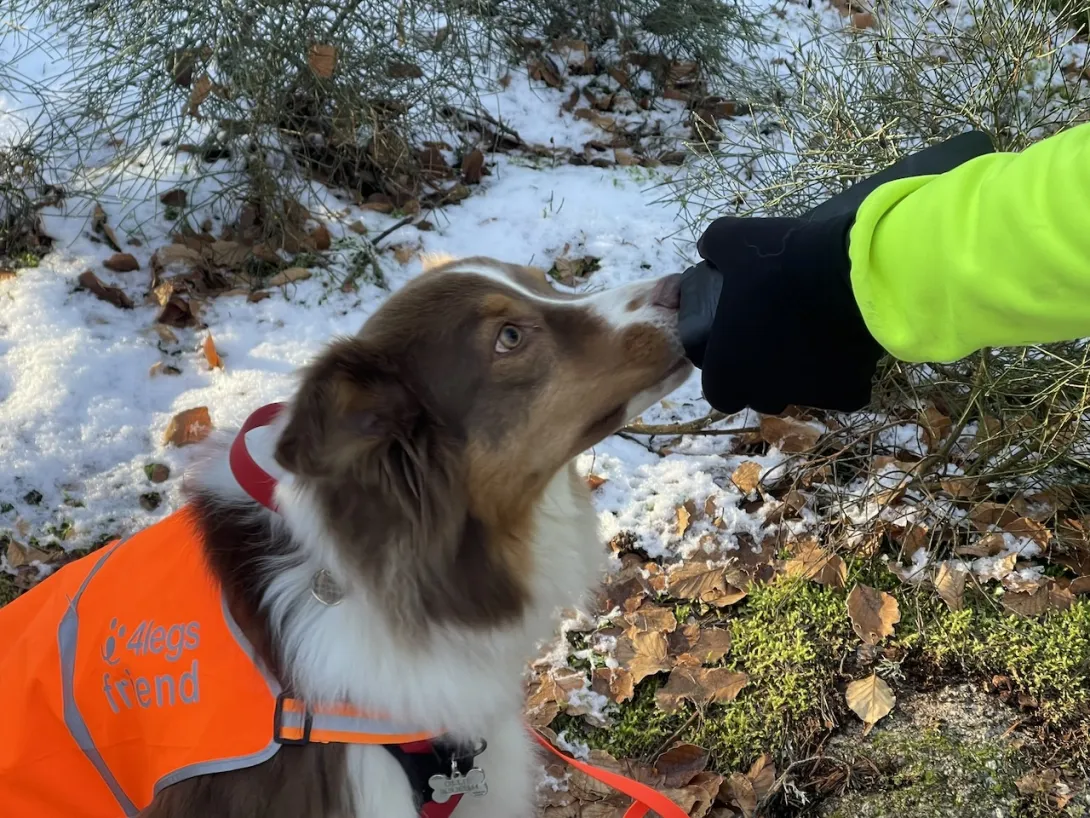
đŸ¶ **Practical Tip – What if your dog used their nose more?** We often think that dogs mainly need physical exercise. But **mental stimulation** is just as important. 👃 And for that, one of their best tools is their sense of smell! From simply **sniffing freely during walks**, to searching for treats, tracking, mantrailing, or scent detection, dogs have to: 👉 search 👉 concentrate 👉 think 👉 make decisions 👉 persist 🧠 This kind of work is also very useful for developing **self-control**: instead of reacting immediately to everything around them, dogs gradually learn to slow down, stay focused, and manage their impulses more effectively. 🐕‍đŸŠș This is also why I regularly use **scent work as a tool in the rehabilitation of reactive dogs**. At the right distance and while the dog remains below their emotional threshold, it can help them disengage from a trigger, regain focus, and learn to make different choices. And it can all start very simply: 🌿 **On your next walk, perhaps walk a little less
 and let your dog sniff a little more!**
By Pascal , 4 August 2026

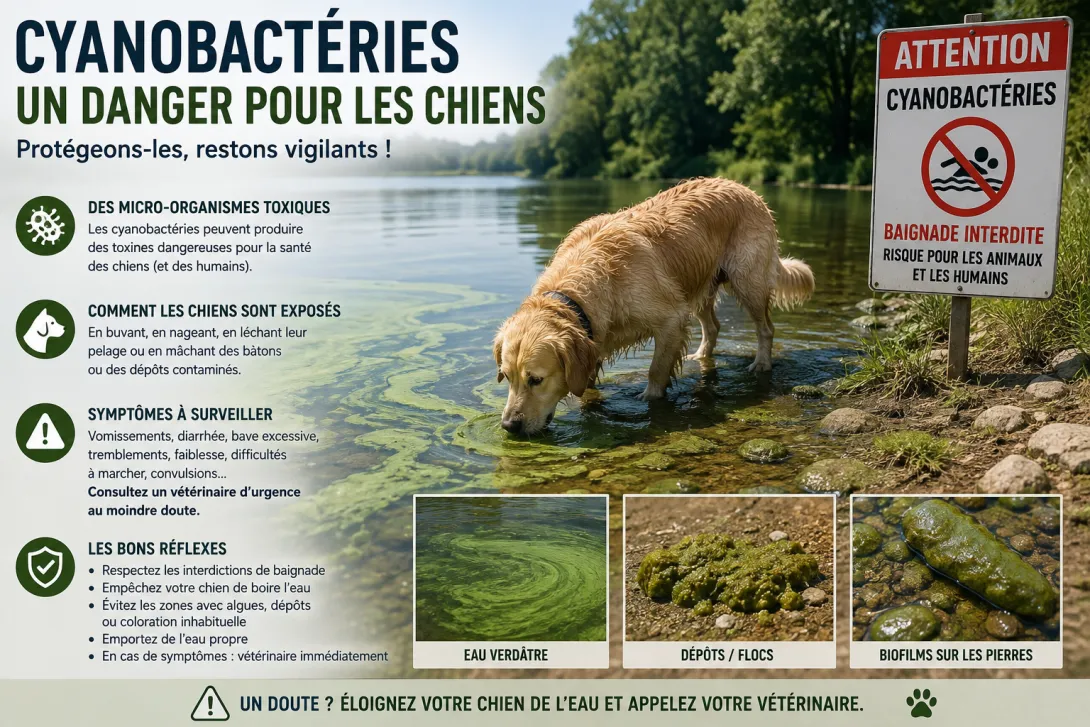
As warmer weather arrives, walks along lakes, ponds and rivers become particularly enjoyable. Many dogs take advantage of these outings to swim, drink or play with sticks found in the water.

However, some freshwater environments may contain cyanobacteria capable of producing extremely dangerous toxins. Every year in France, these microorganisms are associated with severe poisoning and deaths among dogs.

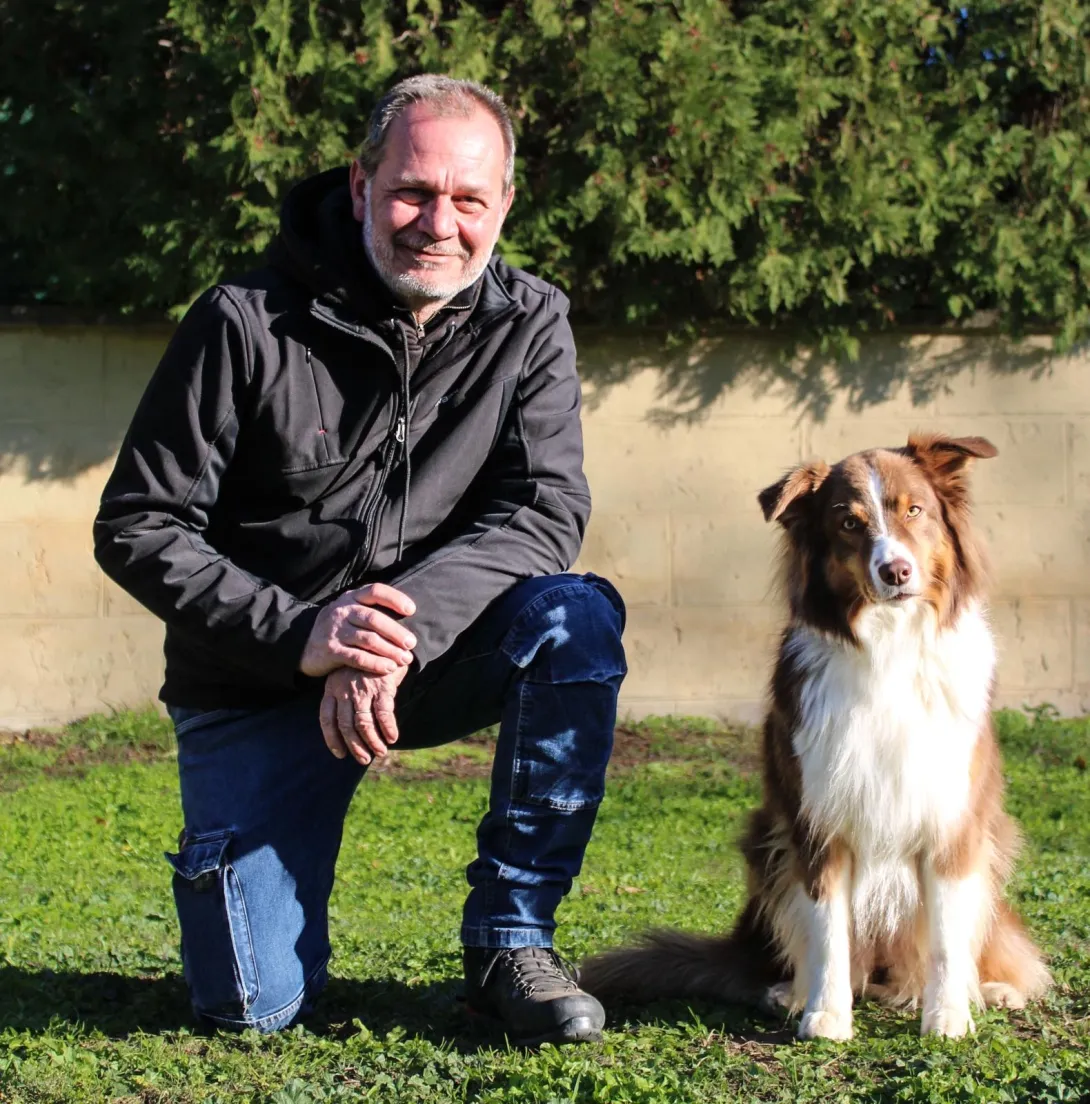
Fascinated by dogs since early childhood, my story with canines has been shaped over the years through encounters and experiences, in the course of a life shared with six companions to this day. Holder of several diplomas and certifications as a canine behaviorist and trainer—including a specialization in so-called “difficult” dogs—I place my knowledge and experience at the service of the well-being of the human–dog partnership. Below, you can discover the full range of services I offer. All pursue the same goal: living in harmony with your dog.
By Pascal , 23 December 2025
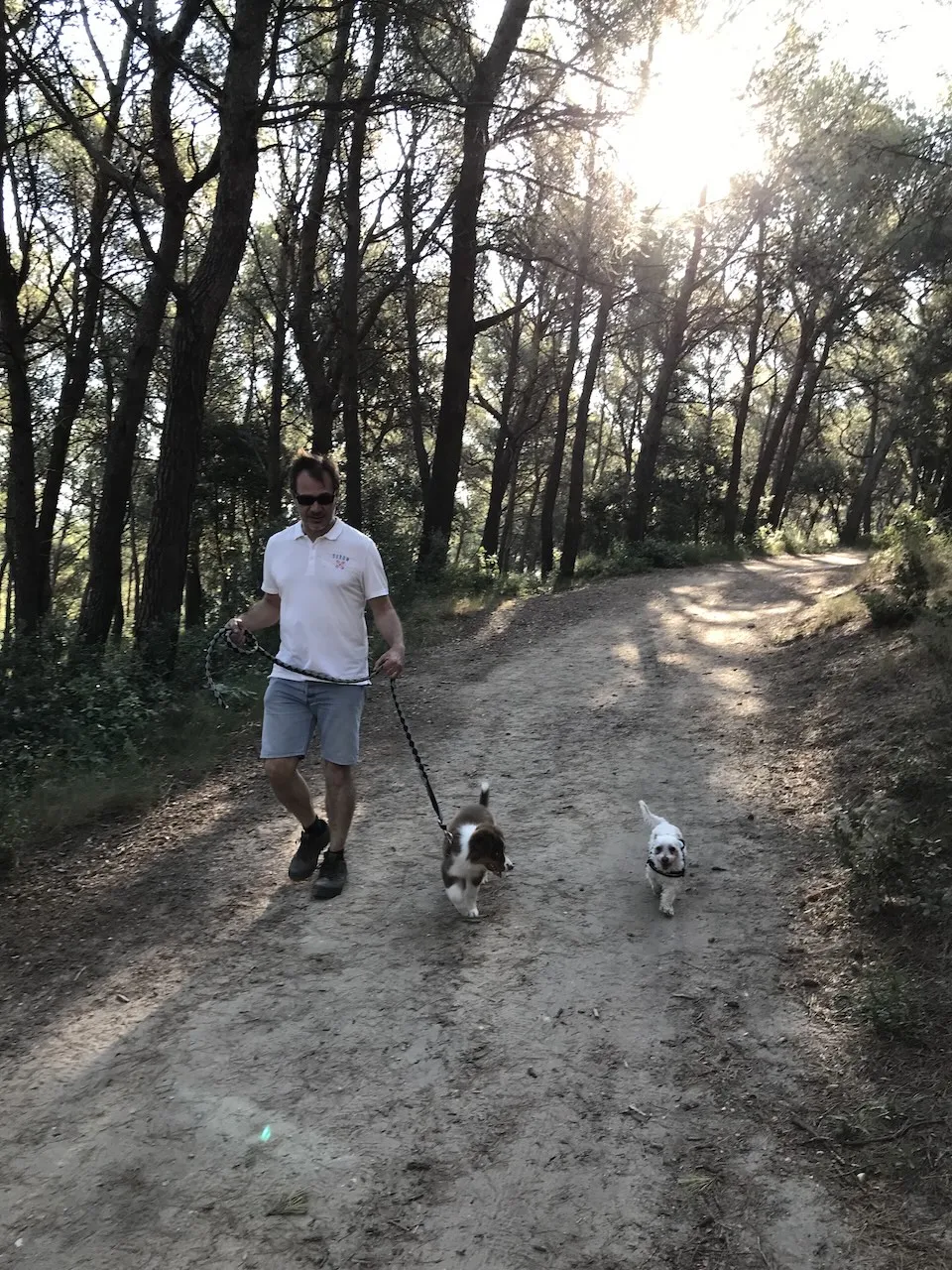
All dogs need physical activity. Walking, running, exploring, playing—these moments are essential to their physical and mental balance. However, the pace, duration, and intensity of outings must be adapted to each dog, according to their age, breed, morphology, health status, and overall physical condition. A walk that is too long, unsuitable terrain, or poorly managed exertion can quickly turn a moment of pleasure into a source of discomfort—or even injury. The goal is simple: stay active, yes, but intelligently, for your companion’s well-being and long-term health.
By Pascal , 24 December 2025
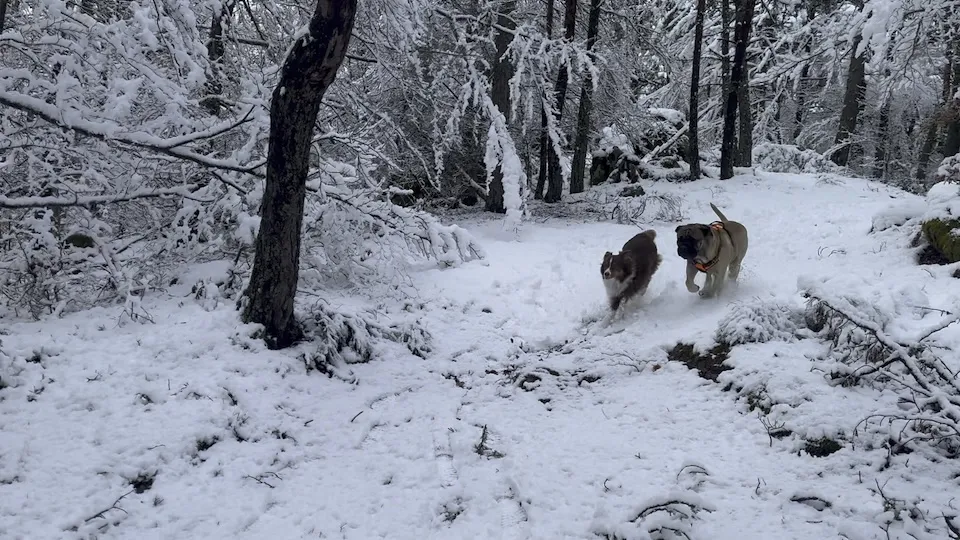
Whether it’s windy, raining, snowing, or under bright sunshine, regular walks are essential to a dog’s balance and well-being—ideally in a natural environment. This is also why education is indispensable, particularly to ensure a reliable recall. Walks must always take place under proper safety conditions. In our beautiful region, which offers such rich landscapes and abundant nature, it would be a real shame not to take advantage of it. Here are a few tips.
Proprioception is the perception of the body in space. Working on this skill helps dogs become more aware of their bodies, improve their balance, coordination, and confidence. It is an activity that is both playful, educational, and physical.