Behavioral disorders can have two distinct origins: Medical in origin — linked to a pathology, an injury, or the development of a disease. In this case, only a visit to a veterinarian—or even better, to a veterinary behaviorist—can establish an accurate diagnosis and prescribe an appropriate treatment. Behavioral in origin — linked to the expression of anxiety, a lack of structure or reference points, or poor communication within the dog’s immediate environment. In this situation, the issue falls within the scope of education and the human–dog relationship. A visit from a canine behaviorist and trainer will help analyze the underlying causes and propose practical, tailored solutions. Ideally, this assessment should take place in the very context where the behavior occurs, or at least within the dog’s usual living environment, in order to fully understand all contributing factors.
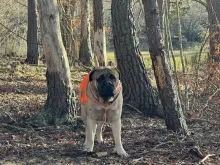
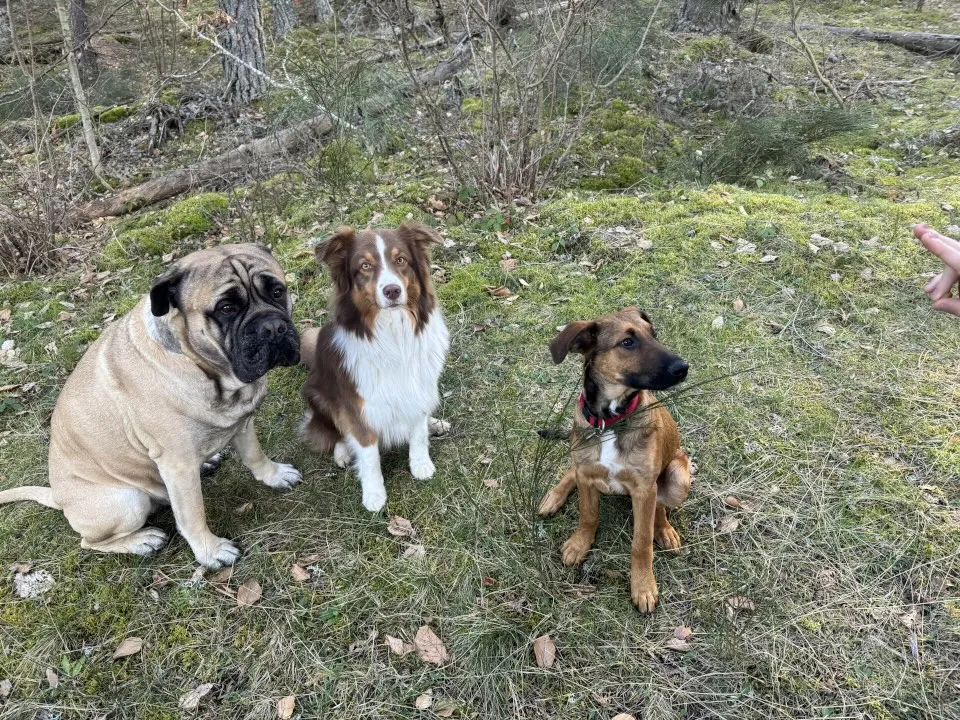
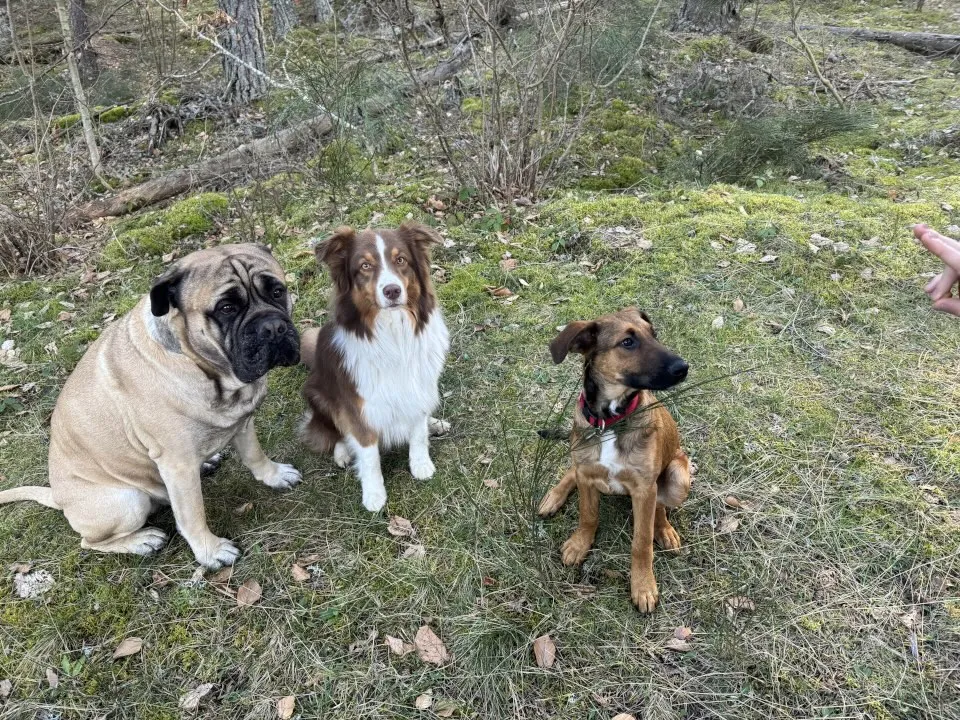
A friendly experience to strengthen your dog’s socialization and well-being. It also provides a practical opportunity to work on recall training. Walking groups are organized according to the dogs’ physical abilities.
A powerful mental activity that highlights your dog’s natural abilities. Smell is a dog’s primary sense; using it means giving your dog the freedom to take initiative and make choices. This activity is suitable for all dogs, regardless of age or physical condition.
A gentle and playful activity: strengthen your dog’s bond with you, focus, and autonomy. An activity suitable for all dogs, including those with mobility challenges, senior dogs, and puppies (from 6 months old).
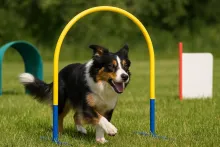
Agility is a fun and athletic discipline that highlights the bond between a dog and its handler. The dog navigates an obstacle course guided solely by the handler’s voice and body signals.
By Pascal , 24 December 2025
Leash walking is an essential skill, but often a delicate one. The goal is not to force the dog to follow, but to create a smooth, relaxed, and respectful walk.
By Pascal , 24 December 2025
The leash is an essential link between the dog and their owner. There are many types, each suited to different uses: walks, sports activities, training, or safety in the car.
By Pascal , 24 December 2025
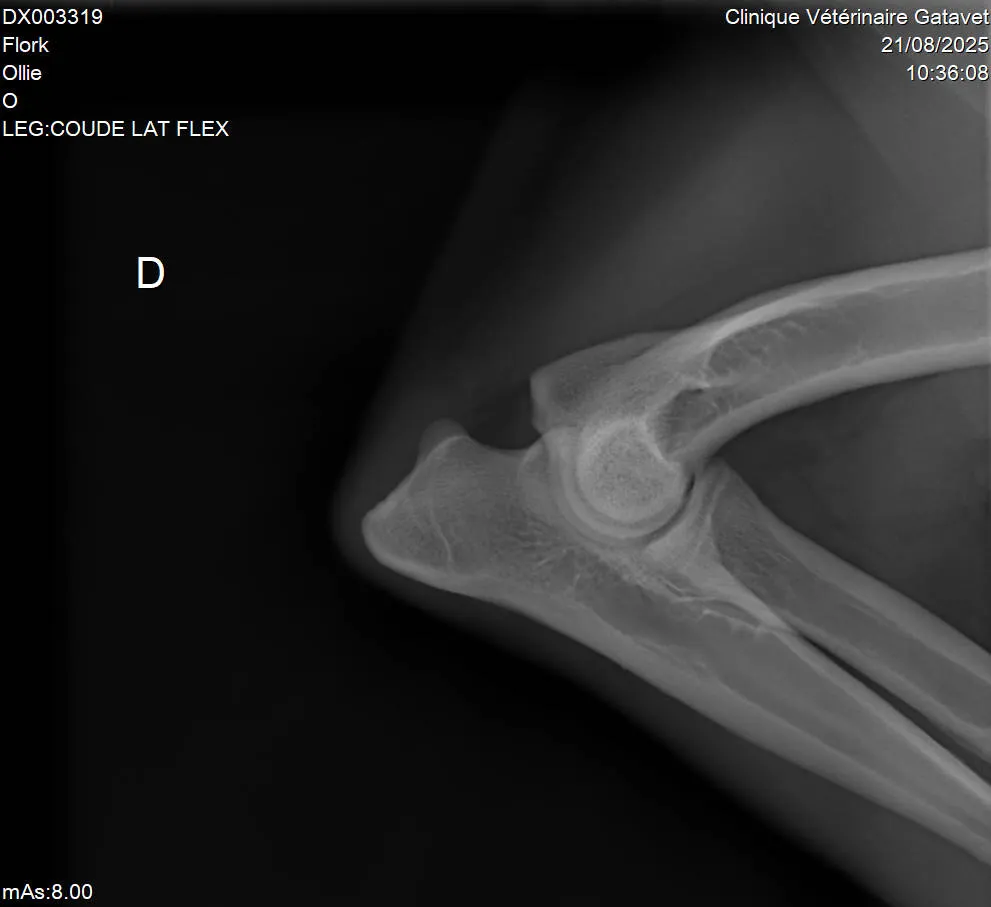
The onset of osteoarthritis in dogs often occurs with age, but sometimes much earlier. It is quite common and can affect young dogs as well, particularly following a trauma, a malformation, or intense physical activity. It is important to learn how to recognize the signs, have the condition diagnosed by a veterinarian, and then adapt the dog’s lifestyle accordingly: diet, living environment, and physical exercise. Learning to detect it early, obtaining a proper veterinary diagnosis, and adjusting nutrition, surroundings, and activity levels are key to preserving the dog’s comfort and quality of life.