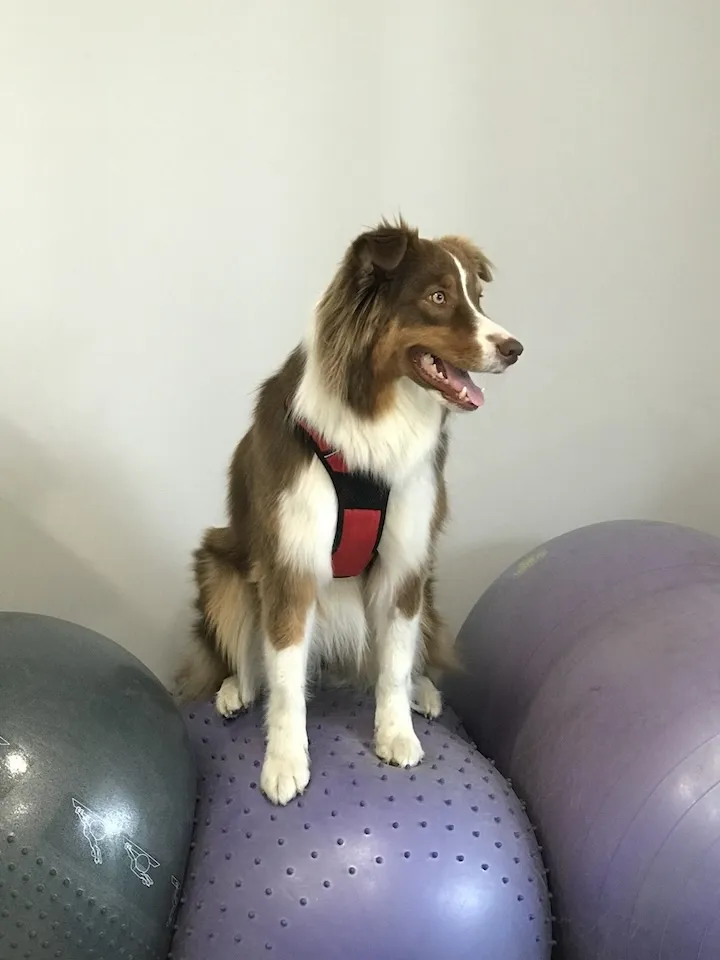
For geographically distant consultations, or for ongoing follow-up through video exchanges, I also offer simple, practical, and personalized advice to support you effectively at a distance.
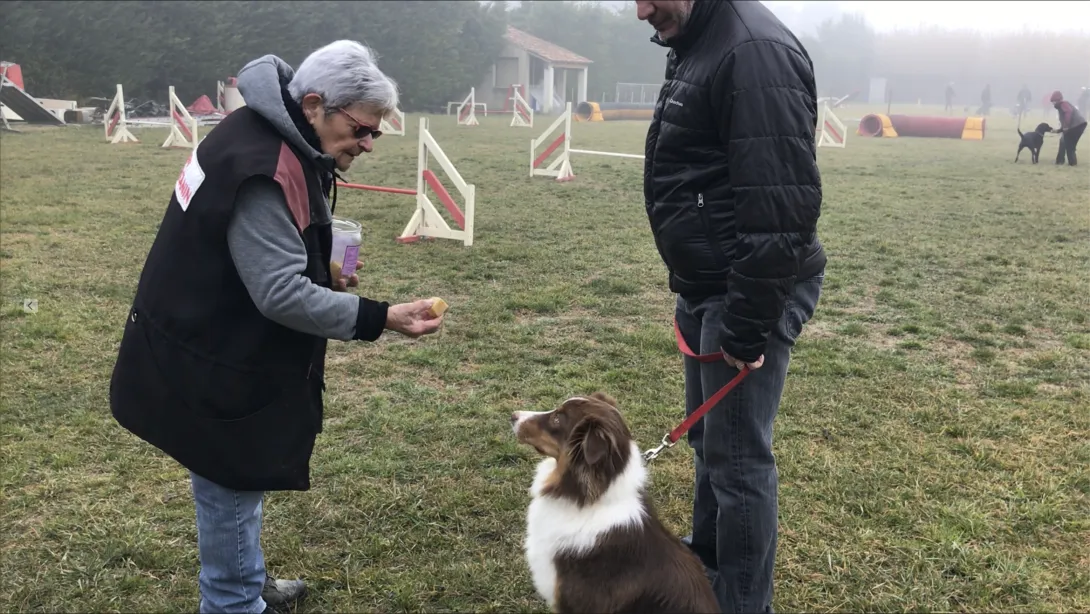
Natural education and positive reinforcement… the most important thing is adapting to each individual. The goal is mutual trust between owner and dog. Individual and/or group classes.
Many incidents with dogs could be avoided through a better understanding of canine communication. Interventions adapted to all ages, in schools as well as in corporate settings.
Understanding and resolving canine behavioral issues to restore a calm and balanced relationship between the dog and its surroundings, through an approach based on canine communication.
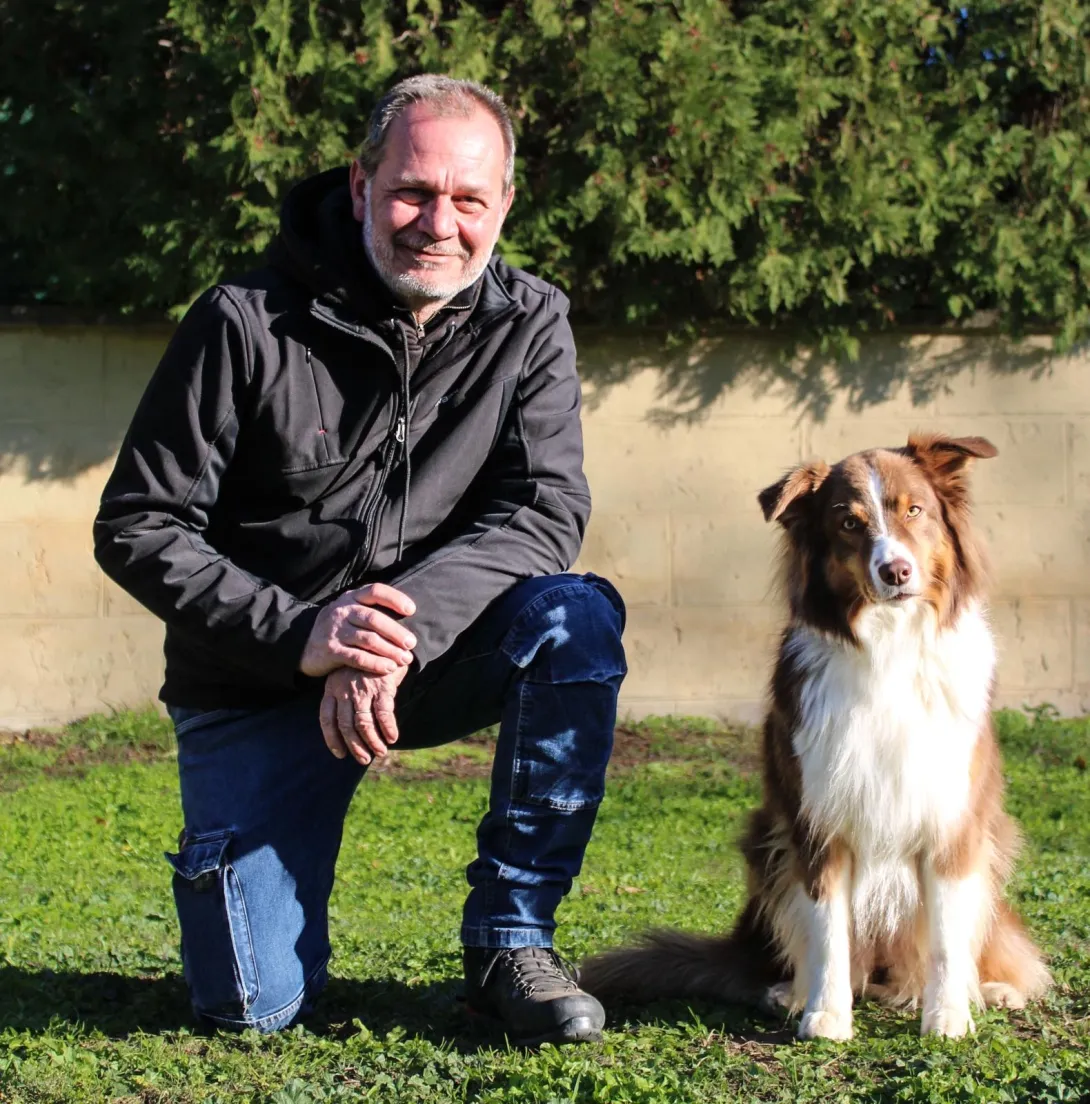
Fascinated by dogs since early childhood, my story with canines has been shaped over the years through encounters and experiences, in the course of a life shared with six companions to this day. Holder of several diplomas and certifications as a canine behaviorist and trainer—including a specialization in so-called “difficult” dogs—I place my knowledge and experience at the service of the well-being of the human–dog partnership. Below, you can discover the full range of services I offer. All pursue the same goal: living in harmony with your dog.
By Pascal , 24 December 2025
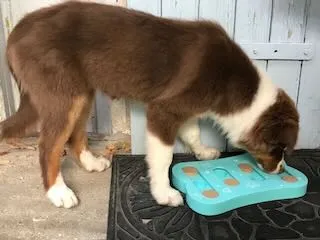
Our dogs need to expend not only physical energy, but mental energy as well. Puzzle and brain games are an excellent way to stimulate cognitive abilities while strengthening the bond between dog and owner. They encourage dogs to think, search, understand, and succeed — in short, to have fun in a smart and enriching way.
Playful and sporting activities are not an “extra” in canine education: they are its natural continuation. They combine learning, socialization, and enjoyment, while respecting each dog’s individual personality. Whether it’s a young puppy, an adult dog, or a senior, play and movement remain the most effective learning tools.
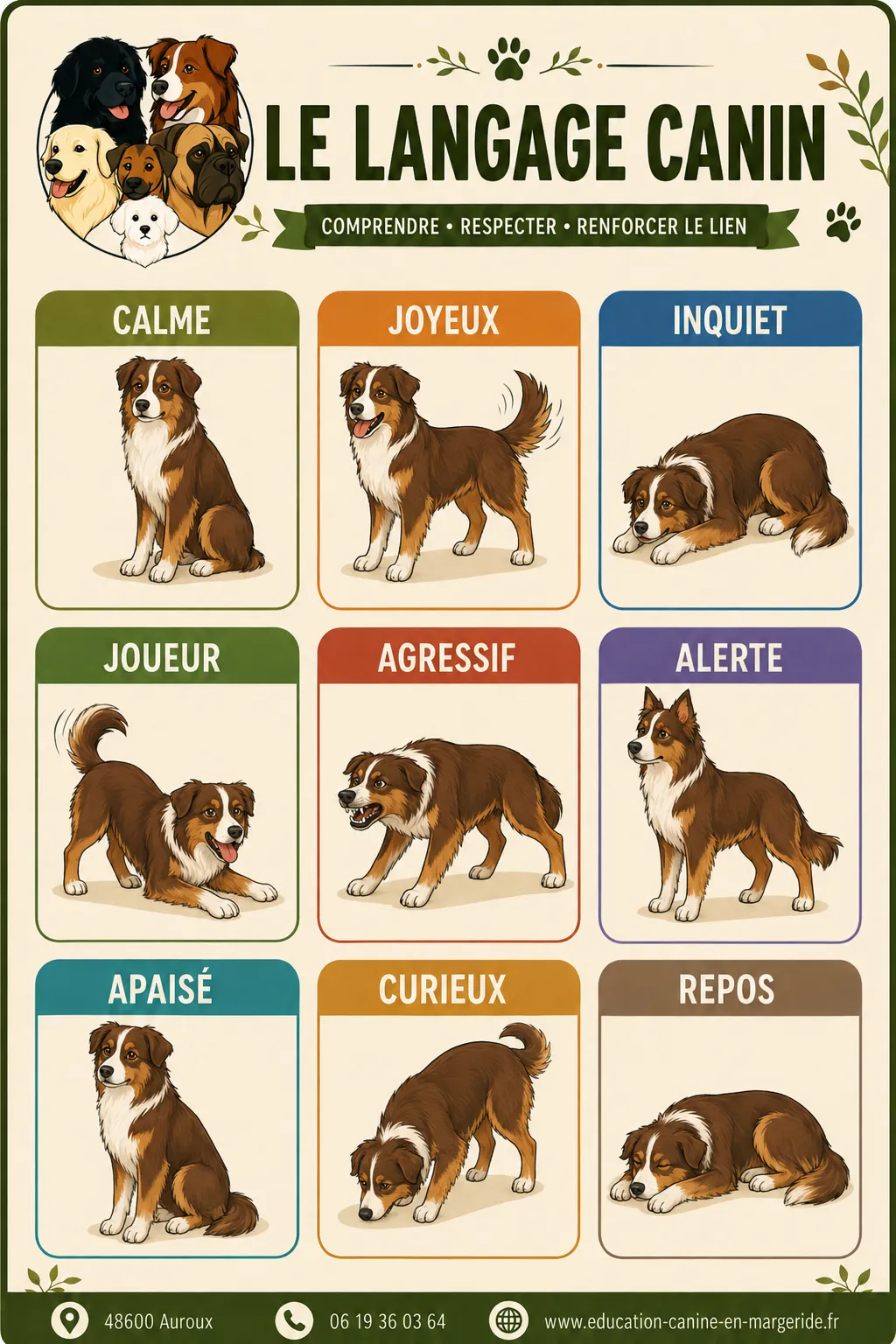
My approach to behavior work and training is based on canine body language. It is, in fact, one of the key elements I aim to pass on during my training sessions. “Learn to read your dog!” my mentor Nicole used to tell us during adult dog training classes. At the time, I understood her message—but with hindsight, I did not fully realize just how right she was. Understanding canine body language is one of the major keys to living well with your dog, building a balanced relationship, and preventing misunderstandings before they turn into problems.
Behavioral disorders can have two distinct origins: Medical in origin — linked to a pathology, an injury, or the development of a disease. In this case, only a visit to a veterinarian—or even better, to a veterinary behaviorist—can establish an accurate diagnosis and prescribe an appropriate treatment. Behavioral in origin — linked to the expression of anxiety, a lack of structure or reference points, or poor communication within the dog’s immediate environment. In this situation, the issue falls within the scope of education and the human–dog relationship. A visit from a canine behaviorist and trainer will help analyze the underlying causes and propose practical, tailored solutions. Ideally, this assessment should take place in the very context where the behavior occurs, or at least within the dog’s usual living environment, in order to fully understand all contributing factors.