For geographically distant consultations, or for ongoing follow-up through video exchanges, I also offer simple, practical, and personalized advice to support you effectively at a distance.
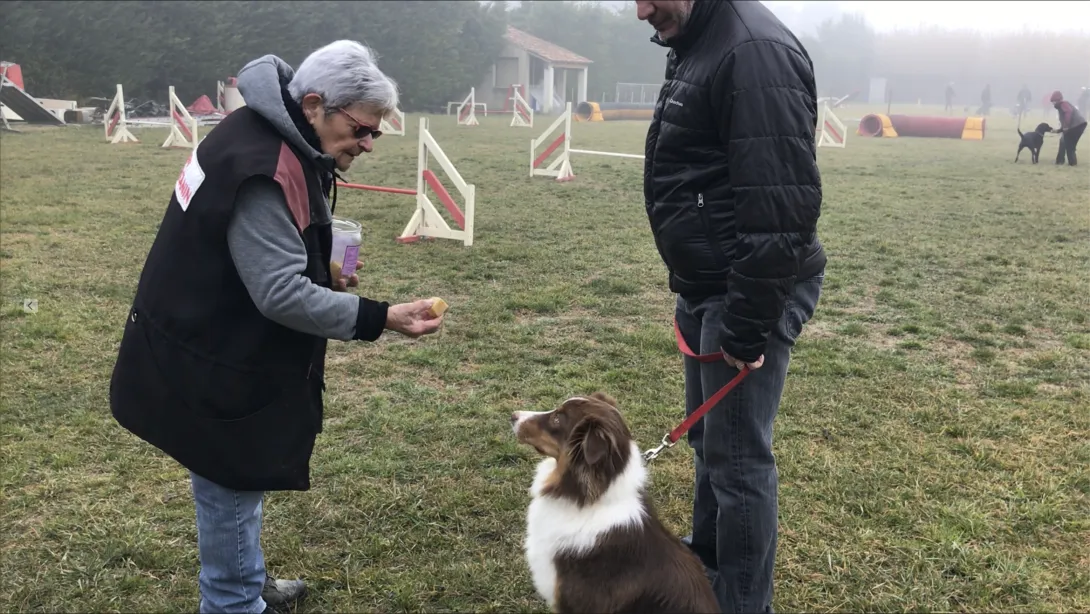
Natural education and positive reinforcement… the most important thing is adapting to each individual. The goal is mutual trust between owner and dog. Individual and/or group classes.
A working dog is a specialized dog: it must be prepared, both physically and mentally, to perform with confidence.
Sharing an activity with your dog means training differently: through enjoyment, trust, and partnership. An ideal way to strengthen the bond.
Understanding and resolving canine behavioral issues to restore a calm and balanced relationship between the dog and its surroundings, through an approach based on canine communication.
By Pascal , 4 September 2026
A dog that barks, pulls, jumps, or stops listening to you is not necessarily being disobedient: they may simply be **overwhelmed by their emotions**. 🟢 As long as they can observe, eat, look at you, and disengage from what is happening, they are still mentally available. 🔴 If they stare, bark, pull, flee, or seem unable to hear you anymore, they are probably **over their emotional threshold**. In that case, the most useful response is often to **increase the distance, reduce the difficulty, and give them time to settle again**. 🧠 Self-control is learned gradually: waiting, disengaging, turning away, and returning to their human despite a distraction. 👉 The goal is not to suppress emotions, but to help the dog **manage them more effectively**.
By Pascal , 4 September 2026
1️⃣ Discovery, in a calm environment such as the training field at margeridecanin.fr. 2️⃣ Confirmation, with a gradual variation of stimuli. 3️⃣ Consolidation, through many repetitions in different places and situations. This final yet essential stage is often overlooked: when the dog begins to succeed, we may assume that the goal has been achieved and stop training too soon. Emotional regulation—including self-control—also develops throughout this process. As every dog is different, a thorough assessment and personalised support for the human–dog team remain essential.
By Pascal , 4 September 2026
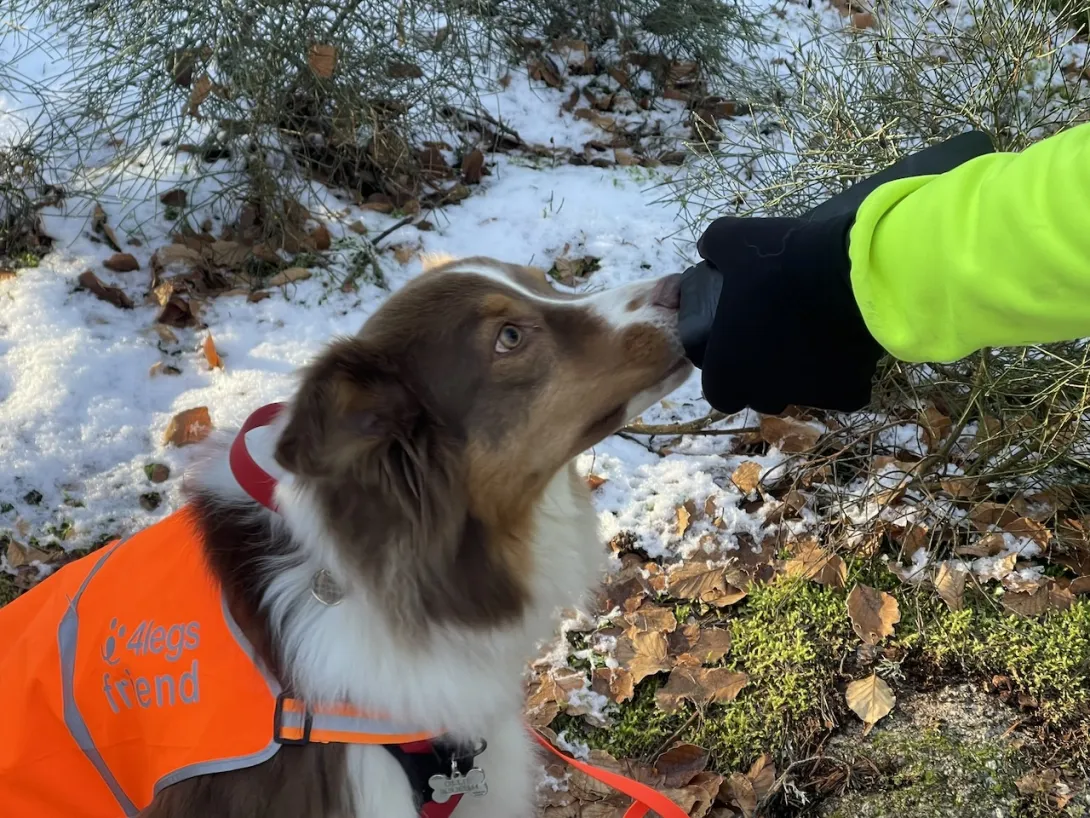
🐶 **Practical Tip – What if your dog used their nose more?** We often think that dogs mainly need physical exercise. But **mental stimulation** is just as important. 👃 And for that, one of their best tools is their sense of smell! From simply **sniffing freely during walks**, to searching for treats, tracking, mantrailing, or scent detection, dogs have to: 👉 search 👉 concentrate 👉 think 👉 make decisions 👉 persist 🧠 This kind of work is also very useful for developing **self-control**: instead of reacting immediately to everything around them, dogs gradually learn to slow down, stay focused, and manage their impulses more effectively. 🐕‍🦺 This is also why I regularly use **scent work as a tool in the rehabilitation of reactive dogs**. At the right distance and while the dog remains below their emotional threshold, it can help them disengage from a trigger, regain focus, and learn to make different choices. And it can all start very simply: 🌿 **On your next walk, perhaps walk a little less… and let your dog sniff a little more!**
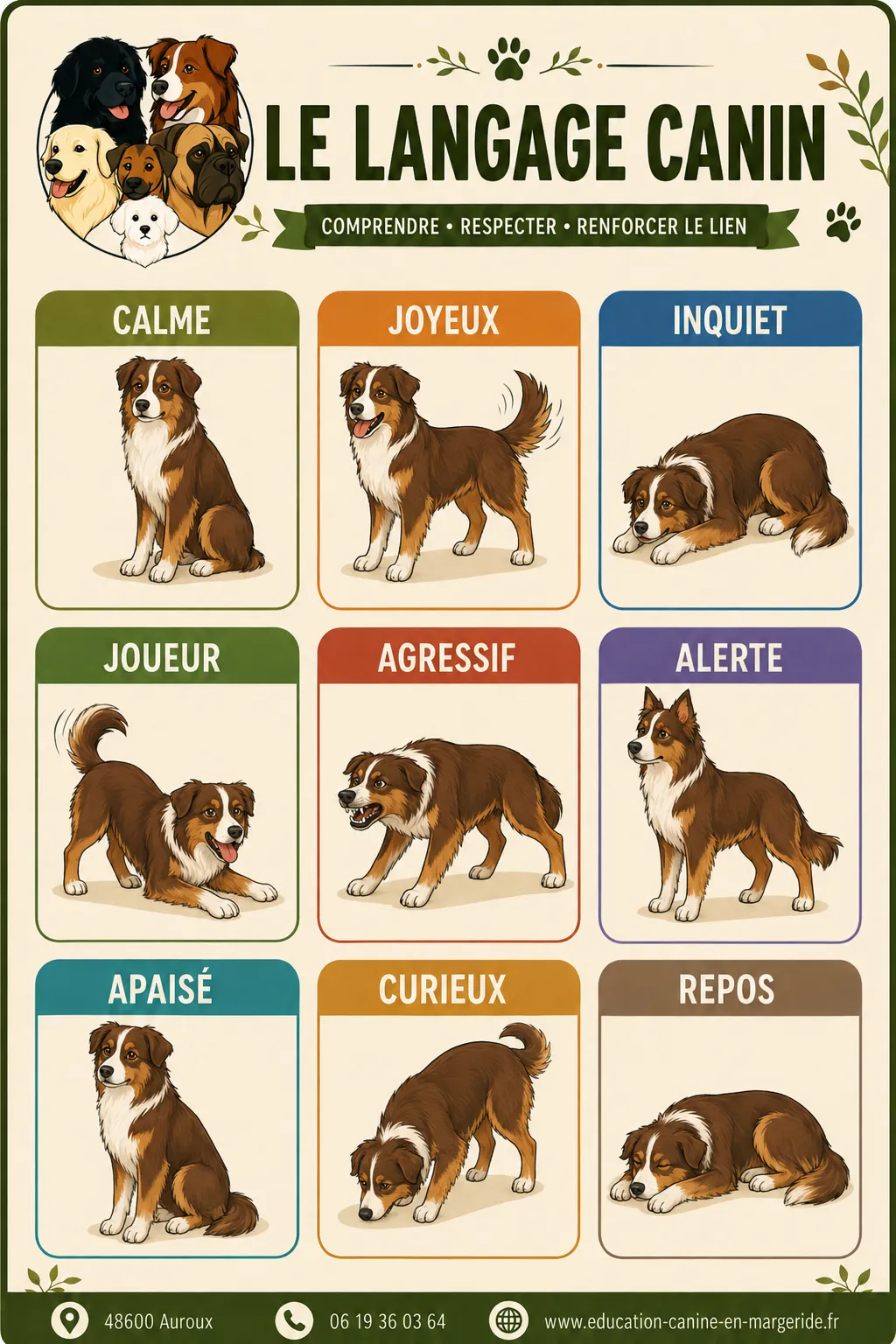
🌿 Natural Dog Education – In Brief Natural dog education is based on respecting the dog’s needs, emotions, and natural way of communicating. It prioritizes understanding behavior before acting, relying on observation and canine body language. This approach avoids coercive methods and instead builds a relationship founded on trust, consistency, and reinforcement of desirable behaviors. Since every dog is unique, natural education adapts to the dog’s age, background, and temperament. By using the environment, play, and everyday situations as learning tools, natural education helps dogs become calmer, more autonomous, and emotionally balanced, while strengthening the bond with their human.
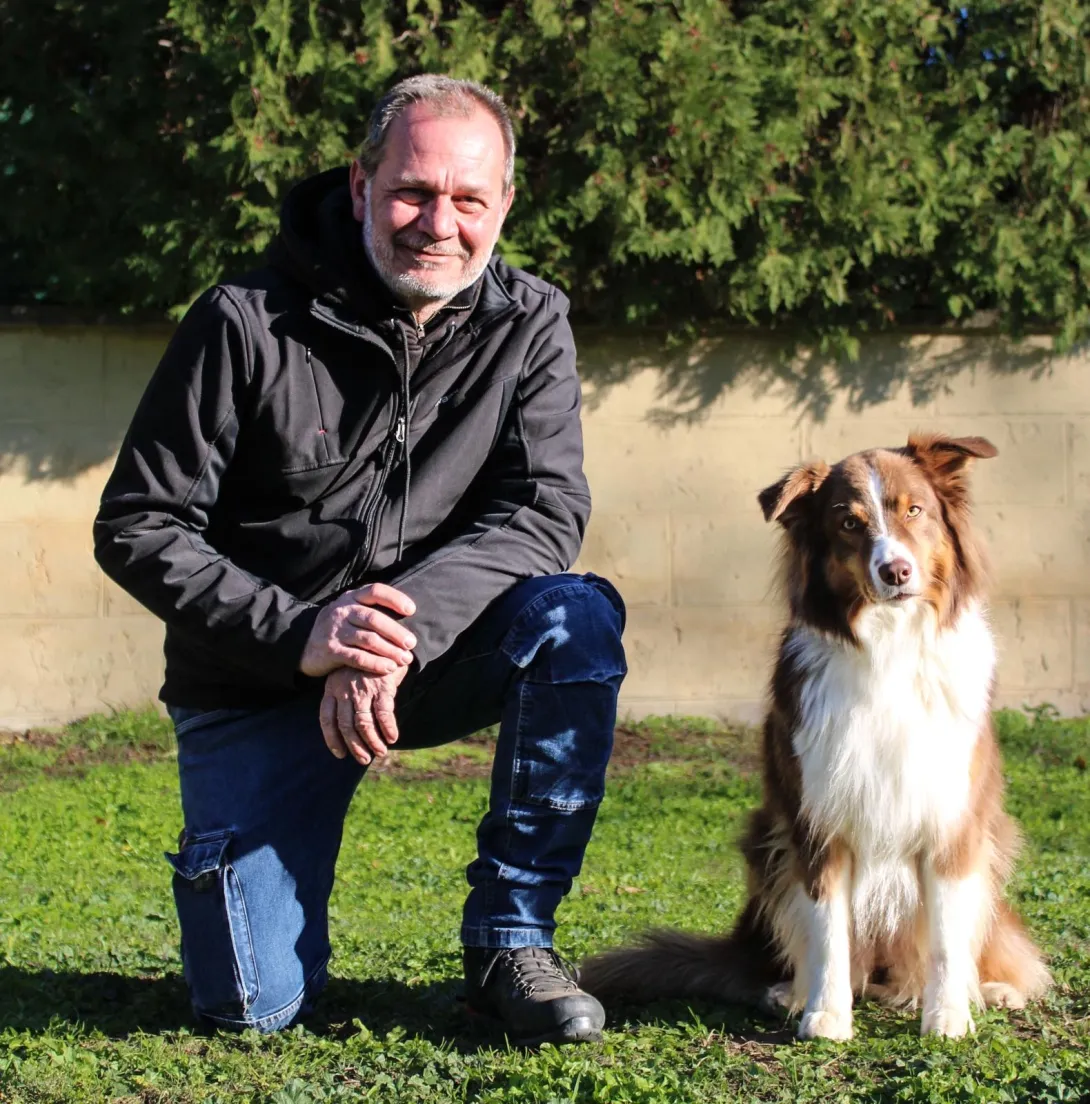
Fascinated by dogs since early childhood, my story with canines has been shaped over the years through encounters and experiences, in the course of a life shared with six companions to this day. Holder of several diplomas and certifications as a canine behaviorist and trainer—including a specialization in so-called “difficult” dogs—I place my knowledge and experience at the service of the well-being of the human–dog partnership. Below, you can discover the full range of services I offer. All pursue the same goal: living in harmony with your dog.