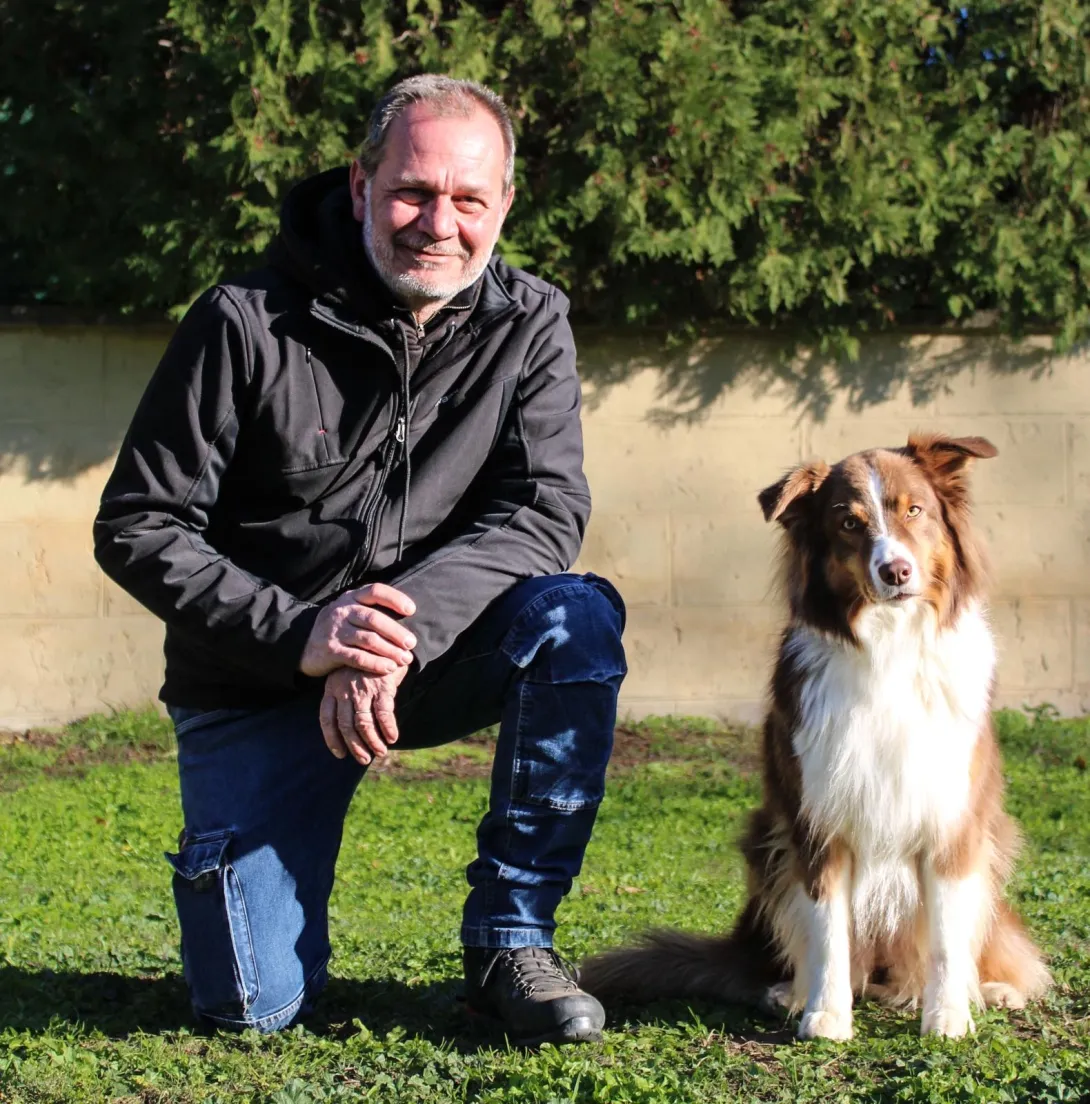
Fascinated by dogs since early childhood, my story with canines has been shaped over the years through encounters and experiences, in the course of a life shared with six companions to this day. Holder of several diplomas and certifications as a canine behaviorist and trainer—including a specialization in so-called “difficult” dogs—I place my knowledge and experience at the service of the well-being of the human–dog partnership. Below, you can discover the full range of services I offer. All pursue the same goal: living in harmony with your dog.
By Pascal , 23 December 2025
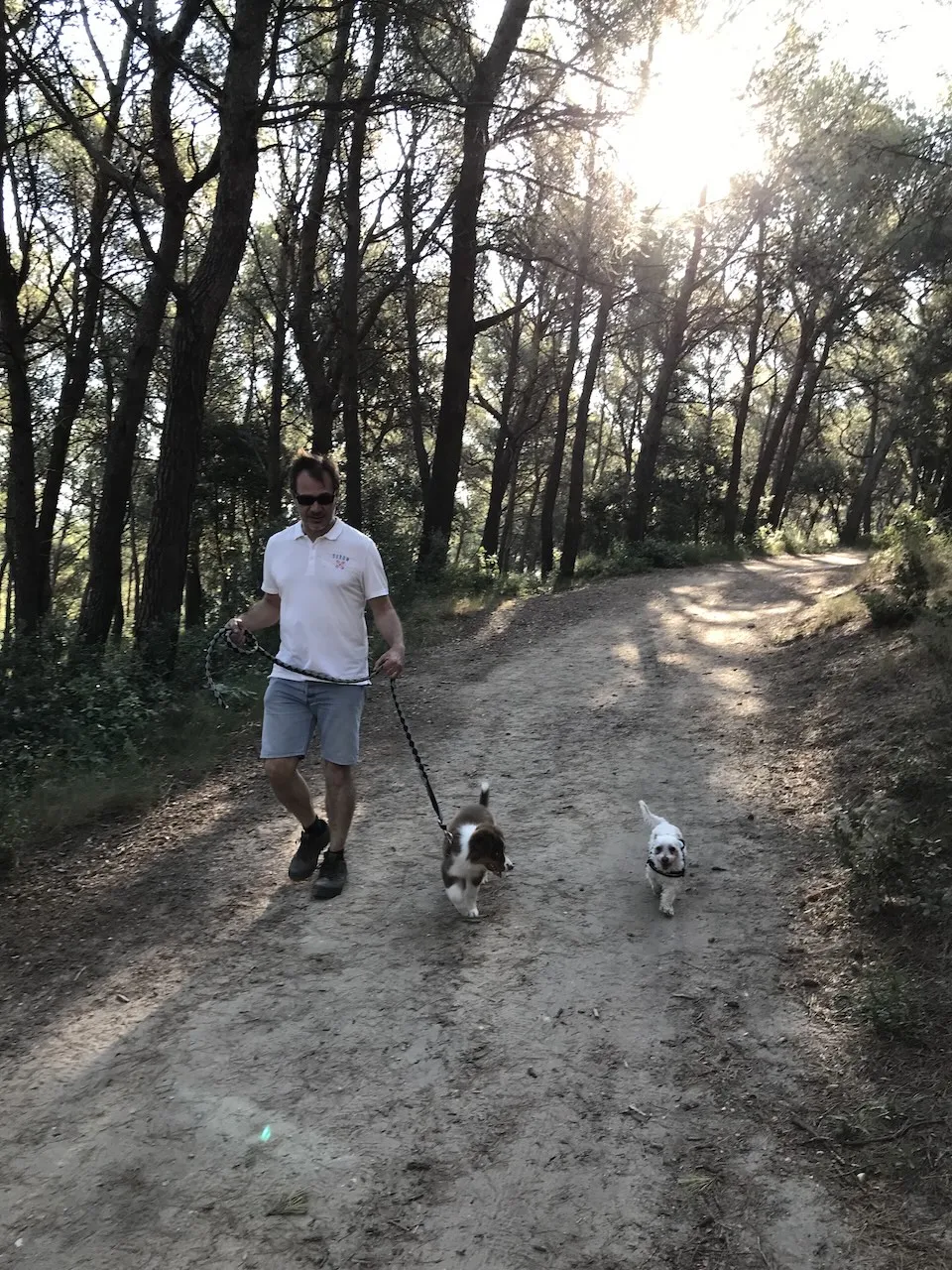
All dogs need physical activity. Walking, running, exploring, playing—these moments are essential to their physical and mental balance. However, the pace, duration, and intensity of outings must be adapted to each dog, according to their age, breed, morphology, health status, and overall physical condition. A walk that is too long, unsuitable terrain, or poorly managed exertion can quickly turn a moment of pleasure into a source of discomfort—or even injury. The goal is simple: stay active, yes, but intelligently, for your companion’s well-being and long-term health.
By Pascal , 24 December 2025
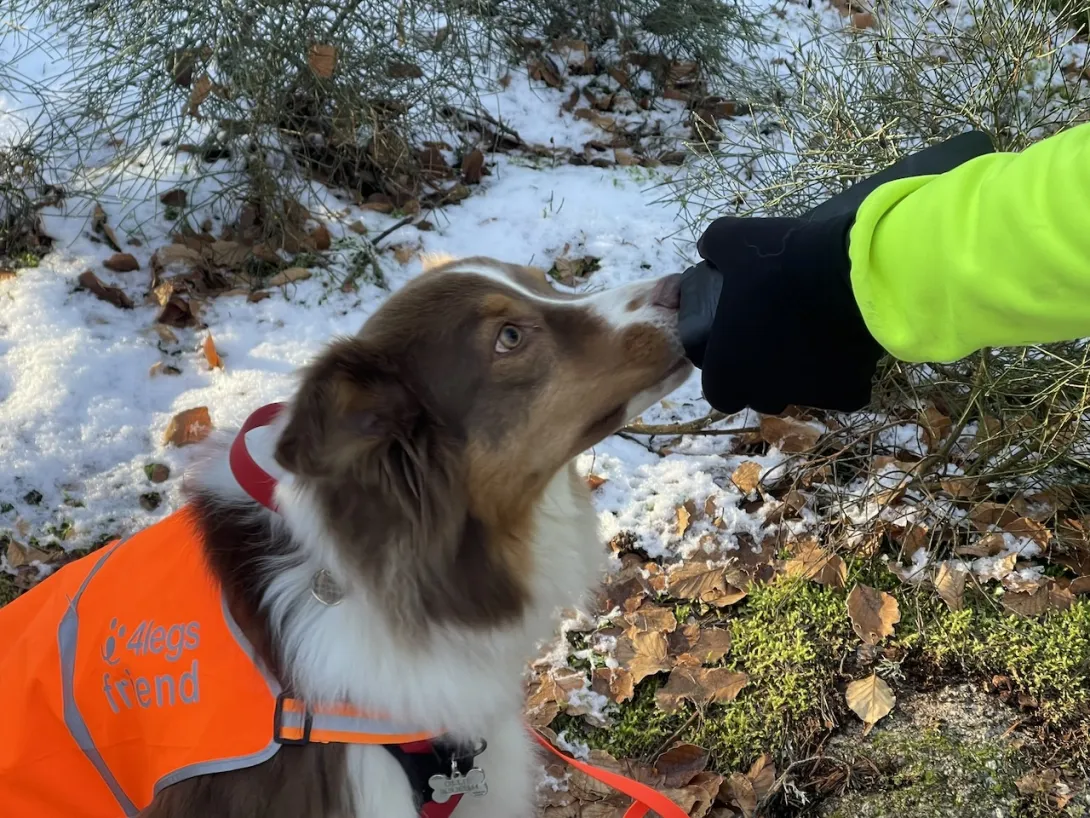
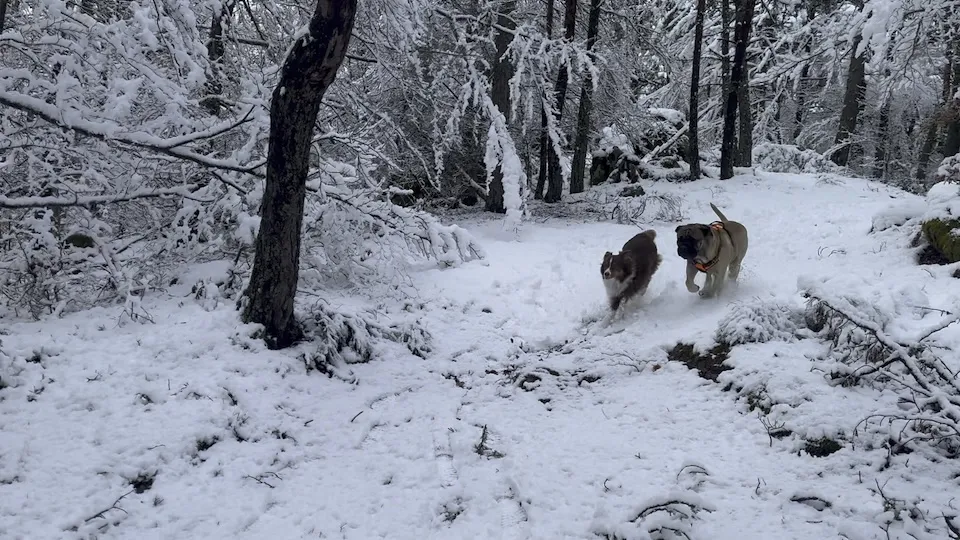
Whether it’s windy, raining, snowing, or under bright sunshine, regular walks are essential to a dog’s balance and well-being—ideally in a natural environment. This is also why education is indispensable, particularly to ensure a reliable recall. Walks must always take place under proper safety conditions. In our beautiful region, which offers such rich landscapes and abundant nature, it would be a real shame not to take advantage of it. Here are a few tips.
Proprioception is the perception of the body in space. Working on this skill helps dogs become more aware of their bodies, improve their balance, coordination, and confidence. It is an activity that is both playful, educational, and physical.
Playful and sporting activities are not an “extra” in canine education: they are its natural continuation. They combine learning, socialization, and enjoyment, while respecting each dog’s individual personality. Whether it’s a young puppy, an adult dog, or a senior, play and movement remain the most effective learning tools.
Behavioral disorders can have two distinct origins: Medical in origin — linked to a pathology, an injury, or the development of a disease. In this case, only a visit to a veterinarian—or even better, to a veterinary behaviorist—can establish an accurate diagnosis and prescribe an appropriate treatment. Behavioral in origin — linked to the expression of anxiety, a lack of structure or reference points, or poor communication within the dog’s immediate environment. In this situation, the issue falls within the scope of education and the human–dog relationship. A visit from a canine behaviorist and trainer will help analyze the underlying causes and propose practical, tailored solutions. Ideally, this assessment should take place in the very context where the behavior occurs, or at least within the dog’s usual living environment, in order to fully understand all contributing factors.
A gentle and playful activity: strengthen your dog’s bond with you, focus, and autonomy. An activity suitable for all dogs, including those with mobility challenges, senior dogs, and puppies (from 6 months old).
By Pascal , 24 December 2025
The onset of osteoarthritis in dogs often occurs with age, but sometimes much earlier. It is quite common and can affect young dogs as well, particularly following a trauma, a malformation, or intense physical activity. It is important to learn how to recognize the signs, have the condition diagnosed by a veterinarian, and then adapt the dog’s lifestyle accordingly: diet, living environment, and physical exercise. Learning to detect it early, obtaining a proper veterinary diagnosis, and adjusting nutrition, surroundings, and activity levels are key to preserving the dog’s comfort and quality of life.